May 1st is not merely a date; it is a global symbol of respect for human labour. It is the day when the world remembers the individuals crushed beneath the weight of industrial progress—the labourers whose hardened hands shape the softness of civilisations, whose sweat drives the pulse of economies, and whose silent toil sustains the lights of our cities. More than a century ago, the sacrifices of Chicago’s workers awakened the world to a fundamental truth: if capital is power, then labour is the soul of that power. Yet, regrettably, with the passage of time, while ceremonies in the name of labourers have increased, genuine commitment to resolving their issues has steadily declined. In developing societies like Pakistan, this day has often been reduced to a mere formality—a ritual in which labourers are frequently mentioned, but their suffering remains largely invisible.
The Contradiction of Labour Day Celebrations
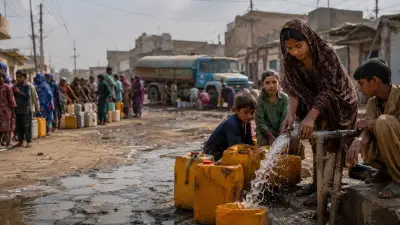
Every year, the morning of May 1st dawns with public holidays, seminars, banners, rallies, and resounding slogans. Intellectuals deliver speeches on labour rights, institutions release statements, and social media overflows with expressions of sympathy. Yet amid all these activities, where is the labourer in whose name these arrangements are made? He is likely bound to a machine amid the deafening noise of a factory, standing before the blazing fire of a kiln, or enduring the scorching sun at a roadside, waiting for work. Ironically, the very hands whose dignity is being celebrated remain shackled to labour even on this day.
A Deeper Moral Crisis
This contradiction is not merely economic; it reflects a deeper civilisational and moral crisis. Our society has gradually adopted a class-based mindset where a person’s worth is measured not by their labour but by their wealth, attire, and social status. Although labourers form the backbone of our economy, they are denied the respect that should define any civilised nation. Those who live in buildings constructed by labourers often hesitate to even sit beside them. This attitude is not just insensitivity—it is a sign of collective moral decline.

Modern consumerism has further intensified this sense of superiority. Today, individuals are judged not by their character but by their brands. Expensive cars, luxury clothing, and extravagant events have become symbols of success. Whether in weddings or daily social interactions, ostentation has pushed simplicity and human compassion into the background. The greatest psychological burden of this competition falls on the lower classes, who, despite limited means, feel compelled to spend beyond their capacity due to social pressure. As a result, poverty transforms from a financial condition into a source of emotional deprivation and mental distress.
Double Standards in Spending
Another painful aspect of our social behaviour is our double standard in spending. We spend freely in large commercial centres without questioning prices, yet take pride in bargaining aggressively with small roadside vendors. An elderly cart vendor, a child selling balloons, or a working woman standing for hours under the sun is not asking for charity—they are seeking fair compensation for their labour. Speaking harshly to them or exploiting their vulnerability for minor financial gain is not just economic cruelty; it is an insult to human dignity.
The Silent Working Class: Moral Foundation of Society
If we look honestly, the true beauty of society lies within this silent working class. The white-collar labourer who maintains integrity despite hunger, the mother who endures the heat to feed her children, and the young boy who sacrifices education in pursuit of livelihood—these individuals are the moral foundation of society. They may lack wealth, power, or fame, but they possess a sense of self-respect that surpasses material riches. It is their patience, contentment, and relentless struggle that sustain the blessings within society.

Islamic Teachings on Labour Dignity
Islam, too, places extraordinary emphasis on the dignity of labour. The Prophet Muhammad (peace be upon him) instructed that a worker’s wages be paid before his sweat dries. This is not merely a religious directive but a complete ethical and economic philosophy aimed at preserving the dignity of labourers. Yet, unfortunately, while we often fulfil the outward aspects of religion, we hesitate to embody its spirit in our social conduct. If a labourer must wait months for wages, if basic facilities and protections are denied, then speeches on May 1st cannot heal their wounds.
A Test of Collective Conscience
In reality, Labour Day is not just an occasion to reflect on the relationship between capital and labour—it is a test of our collective conscience. The real question is: do we truly want to build a society where labour is honoured? Are we willing to reform our attitudes, priorities, and lifestyles to lay the foundation of a just system? If the answer is yes, then we must move beyond speeches and resolutions. We must support small businesses, respect labourers as architects of economic stability, and promote simplicity, balance, and responsibility in our lives.
It must be remembered that no nation can achieve genuine progress until its labourers feel respected and secure. Skyscrapers, highways, and modern projects remain incomplete as long as the hands that build them suffer from deprivation and disrespect. May 1st reminds us that labourers are not merely components of the economy—they are its soul. Until that soul is granted dignity, justice, and protection, all claims of progress will remain hollow. The true Labour Day will be the day when a worker’s sweat is no longer a symbol of exploitation, but a guarantee of dignity, security, and social honour.
Dr. Muhammad Tayyab Khan Singhanvi
The writer is a P.H.D and a freelance columnist.