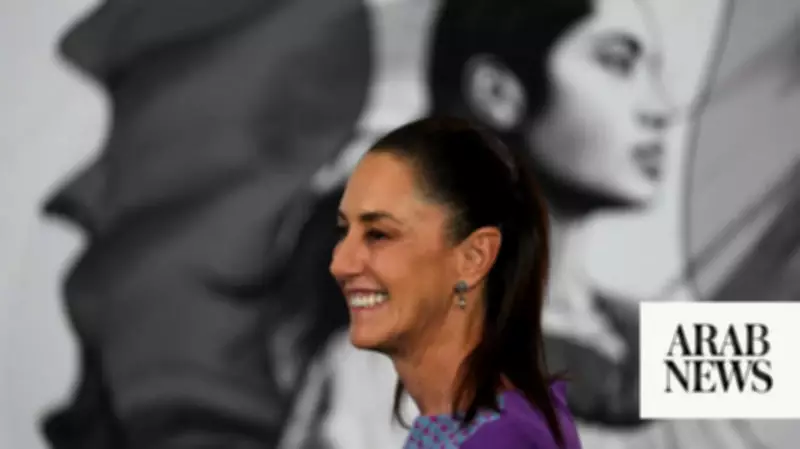
Mexico has announced an independent investigation into 10 current and former officials indicted in the United States on charges of drug trafficking and illegal possession of weapons in connection with the Sinaloa Cartel. President Claudia Sheinbaum stated on Thursday that she would not allow foreign governments to interfere in her country’s affairs for their own political purposes.
Indictment Sparks Political Tensions
The indictment, unsealed in New York on Wednesday, charges several sitting officials in Sinaloa, including members of Sheinbaum’s progressive Morena party, with drug trafficking and illegal weapons possession. This has ignited a political firestorm at a time when Sheinbaum is balancing US pressure to crack down on cartels with her base’s emphasis on Mexican sovereignty. The Mexican government confirmed it had received an extradition request from the US for 10 citizens but stated the request lacked sufficient evidence to justify arrests.
High-Profile Official Implicated
The most prominent figure charged is Sinaloa Governor Rubén Rocha Moya, a top Morena official and close ally of former President Andrés Manuel López Obrador. Sheinbaum said on Thursday that Mexican prosecutors would investigate the cases and gather their own evidence to determine if the US allegations have a legal basis for arrest warrants. She previously stated she had seen no evidence supporting the US claims and emphasized that if Mexican investigations find no clear evidence of a crime, she would firmly reject foreign interference.

“If it is evident that the Justice Department’s charges are politically motivated, let there be absolutely no doubt: under no circumstances will we allow a foreign government to interfere in decisions that are the exclusive prerogative of the Mexican people,” Sheinbaum declared.
Accusations of Interventionist Policy
The charges against Governor Rocha escalate tensions between the Trump administration and Mexico. Analysts note this is an unprecedented move targeting a high-ranking sitting official. Carlos Pérez Ricart, a professor at the Mexican Center for Research and Economic Education, described the action as a foreign government provoking a political earthquake in Mexico to bolster its own anti-drug rhetoric and interventionist policies in Latin America. “US justice is currently serving an interventionist foreign policy with specific objectives in Mexico,” he added.
Governor Rocha categorically rejected the accusations on Wednesday, stating on social media that they “lack any basis in truth.” The indictment also charges the mayor of Sinaloa’s capital and a senator, both from Morena, along with other non-affiliated officials. Rocha and others view the charges as an attack on their left-leaning political movement.
Details of the Allegations
According to the indictment, the defendants allegedly shielded Sinaloa Cartel leaders from investigation, arrest, and prosecution, provided the cartel with sensitive law enforcement and military information, directed state and local police to protect drug shipments, and allowed the cartel to commit brutal drug-related violence without consequences. In return, they reportedly received millions of dollars in drug money. The Sinaloa Cartel is one of eight Latin American criminal groups designated as a terrorist organization by the US.
Mexico’s Investigative Response
The indictment of Rocha is particularly notable given his involvement in a 2024 scandal linked to the Sinaloa Cartel. His name appeared in a letter written by a former cartel leader who was kidnapped by a rival faction and handed over to US authorities. The letter indicated the leader believed he was on his way to meet Rocha when kidnapped.
Mexico’s Deputy Attorney General Ulizes Lara stated in a video released Wednesday night that Mexico would only approve extradition if sufficient evidence is provided, which Washington has not yet supplied. He noted that sitting officials must be impeached before any major actions to lift their legal immunity and criticized the US for releasing case details, calling them “detrimental to the confidential nature of criminal proceedings.”