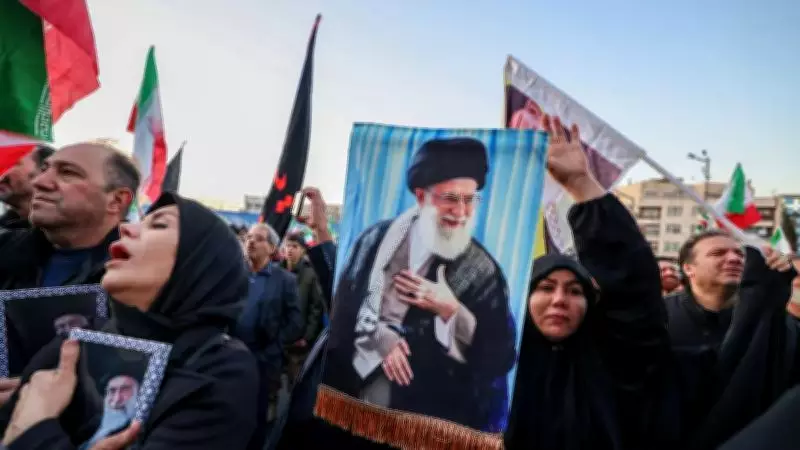
Operation Epic Fury Fails to Break Iran's Civilizational Resilience
In a significant development, Operation Epic Fury, a recent military campaign, has failed to achieve its intended objectives, as Iran's profound civilizational resilience has prevailed. This outcome underscores the enduring strength of Iran's national unity and cultural fortitude, which have effectively countered external pressures. The operation, which was launched with strategic aims, has instead highlighted the limitations of military force in destabilizing a nation with deep historical and cultural roots.
Details of the Failed Military Campaign
Operation Epic Fury was designed as a coordinated effort to exert pressure on Iran, but it ultimately fell short of its goals. Sources indicate that the campaign involved multiple fronts, yet it could not penetrate Iran's robust defensive and societal structures. The failure is attributed to Iran's ability to mobilize its resources and maintain social cohesion, demonstrating a resilience that goes beyond mere military capability. This resilience is rooted in centuries of cultural and historical continuity, which have fostered a strong sense of identity and resistance among the Iranian people.
Implications for Regional Stability
The failure of Operation Epic Fury has broader implications for regional dynamics. It suggests that attempts to undermine Iran through conventional military means may be ineffective, given its civilizational depth. This could lead to a reassessment of strategies by involved parties, potentially shifting focus towards diplomatic or economic avenues. The situation also raises questions about the sustainability of such operations in a region marked by complex geopolitical rivalries and historical tensions.

Experts note that Iran's resilience is not just a matter of state power but is embedded in its societal fabric, including its religious, cultural, and political institutions. This makes it particularly challenging for external forces to achieve long-term influence or control. As a result, the region may see increased efforts to engage with Iran through dialogue rather than confrontation, in order to address underlying issues and promote stability.
Analysis of Iran's Civilizational Strength
Iran's civilizational resilience is a multifaceted phenomenon that has evolved over millennia. Key factors contributing to this strength include:
- Historical Continuity: Iran boasts one of the world's oldest continuous civilizations, with a rich heritage that has adapted to various challenges over time.
- Cultural Identity: A strong sense of national and cultural identity, reinforced through language, art, and traditions, has helped unify the population against external threats.
- Institutional Robustness: Iran's political and religious institutions have demonstrated an ability to withstand pressures, providing stability and direction in times of crisis.
- Societal Cohesion: High levels of social solidarity and community support have enabled Iran to mobilize effectively in response to external aggression.
These elements combine to create a resilience that is difficult to undermine through short-term military campaigns like Operation Epic Fury. The operation's failure serves as a reminder of the importance of understanding a nation's deeper cultural and historical context when planning strategic interventions.
In conclusion, the failure of Operation Epic Fury highlights the enduring power of Iran's civilizational resilience. As regional tensions persist, this outcome may influence future approaches to conflict and diplomacy, emphasizing the need for strategies that account for the complex realities of nations with deep-rooted historical and cultural foundations.