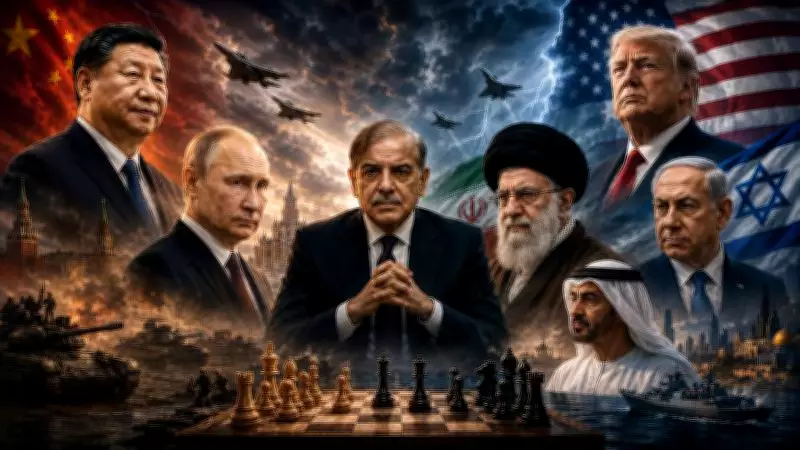
Pakistan is facing a forced diplomatic and geopolitical reset as global and regional dynamics shift, compelling the country to reassess its foreign policy and strategic partnerships. Analysts suggest that the changing landscape, including the US withdrawal from Afghanistan, China's growing influence, and India's assertiveness, is pushing Pakistan to recalibrate its diplomatic stance.
Shifting Global Alliances
The geopolitical environment has become increasingly complex, with traditional alliances evolving. Pakistan's long-standing relationship with the United States has been strained, while its ties with China have deepened. Meanwhile, Russia's role in South Asia is growing, offering new avenues for cooperation. These changes necessitate a strategic reset to safeguard national interests.
Regional Pressures
Regionally, Pakistan faces challenges from neighboring countries. The situation in Afghanistan remains volatile, and cross-border tensions with India persist. Additionally, Iran's geopolitical maneuvers and the influence of Gulf states require careful navigation. This has led to a reassessment of Pakistan's foreign policy priorities, with a focus on economic diplomacy and regional connectivity.

Economic Imperatives
Economic factors are also driving the reset. Pakistan's struggling economy demands increased foreign investment and trade partnerships. The China-Pakistan Economic Corridor (CPEC) remains a cornerstone, but diversifying economic ties with other countries, including Central Asian states and the Gulf, is crucial. This economic push is reshaping diplomatic engagements.
Strategic Partnerships
Pakistan is strengthening ties with key allies while exploring new partnerships. The relationship with China is being bolstered through enhanced security and economic cooperation. Simultaneously, Pakistan is engaging with Russia on defense and energy projects. The reset also involves mending fences with traditional allies like Saudi Arabia and the UAE, which have expressed concerns over Pakistan's shifting stance.
Domestic Politics
Domestically, the reset is influenced by political dynamics within Pakistan. The government faces pressure from opposition parties and the military establishment, each advocating for different foreign policy approaches. The civilian-military divide on issues like relations with the US and India adds complexity to the decision-making process.
Conclusion
Pakistan's forced diplomatic geopolitical reset is a response to a rapidly changing world order. The country must balance competing interests, manage regional tensions, and pursue economic growth. Success will depend on the ability to adapt to new realities while maintaining strategic autonomy. The coming years will be critical in defining Pakistan's place in the global arena.