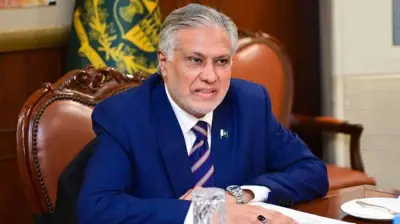
In a time of rising global tensions, the recent diplomatic efforts by Pakistan to help halt a major conflict deserve recognition. A potentially devastating escalation involving Iran, the United States, and Israel was averted after intense negotiations, with Pakistan playing a key mediating role.
Pakistan's Diplomatic Intervention
Prime Minister Shehbaz Sharif, Field Marshal Asim Munir, and the country’s leadership engaged directly with global powers to push for restraint and dialogue. A two-week ceasefire agreement was reached between the United States and Iran, effectively pausing planned military strikes and opening the door for further negotiations. Pakistan’s diplomatic intervention reportedly came at a critical moment when talks were close to collapse, highlighting its growing importance in global peace efforts.
Impact on Regional Stability
This move has not only reduced the immediate risk of war but also provided hope for stability in a region already suffering from prolonged conflict. The Middle East crisis has already impacted global oil prices and economic conditions, including in Pakistan. A full-scale war could have had severe consequences for the global economy and regional security. As China pushes carbon dioxide-to-jet fuel breakthrough as global prices soar, Pakistan’s role in preventing escalation reflects the power of dialogue over destruction.

In a world increasingly defined by conflict, such efforts remind us that peace is still possible if nations choose cooperation over confrontation.
HASAN ZAHID, Wah Cantt.