Origins of the Trojan War
The Trojan War, a central event in Greek mythology, began when Prince Paris of Troy abducted Helen, the wife of King Menelaus of Sparta. This act of betrayal led to a decade-long conflict between the Greeks, commanded by King Agamemnon, and the Trojans. According to Homer's epic poem the Iliad, the war was fought over honor, love, and revenge.
The Ten-Year Siege
For ten years, the Greek army besieged the city of Troy, a heavily fortified stronghold. The war featured legendary heroes such as Achilles, Hector, and Odysseus. The conflict saw numerous battles and divine interventions, with gods like Zeus, Athena, and Apollo taking sides. The Greeks struggled to breach Troy's walls, leading to a stalemate.
The Trojan Horse Stratagem
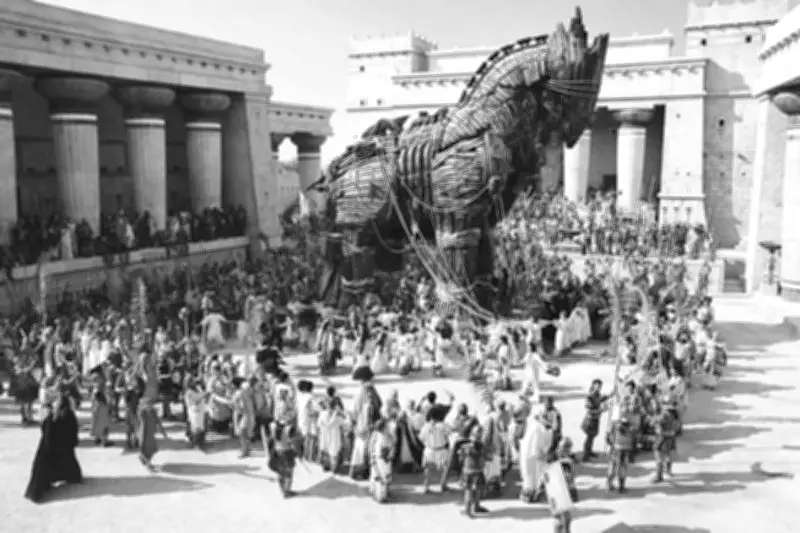
The war's turning point was the cunning plan of Odysseus: the Trojan Horse. The Greeks built a massive wooden horse, hiding soldiers inside, and pretended to sail away. The Trojans, believing it a peace offering, brought the horse into their city. At night, the Greek soldiers emerged, opened the gates, and allowed the Greek army to enter, leading to Troy's fall. This ruse is one of history's most famous military tactics.

Destruction of Troy
After the Trojan Horse infiltration, the Greeks destroyed Troy, killing many inhabitants and enslaving survivors. The war ended with the city's complete destruction. The event marked the end of an era in Greek mythology, with survivors like Aeneas fleeing to found Rome. The fall of Troy is a cautionary tale about pride and deception.
Legacy in Epic Poetry
The Trojan War's stories have been immortalized in Homer's Iliad and Odyssey, as well as other ancient works. Heroes like Achilles and Hector became archetypes of courage and tragedy. The war has inspired countless works of art, literature, and film, shaping Western culture's understanding of heroism and conflict. According to historians, the myth may have been based on actual Bronze Age conflicts in Anatolia.