The United States is unlikely to accept a new peace proposal from Iran, President Donald Trump said on Sunday, as Tehran submitted a 14-point plan through Pakistan to end the ongoing conflict. The dispute over Iran's nuclear programme continues to be a major sticking point.
Iran's 14-Point Proposal
Iran submitted the proposal through mediators, describing it as a roadmap to end the conflict within weeks. The plan calls for the immediate lifting of the US naval blockade on Iranian ports, reopening of maritime routes, withdrawal of US forces from areas around Iran, and the release of frozen Iranian financial assets. It also demands sanctions relief, compensation for war-related damages, and guarantees against future attacks by the United States and its allies.
A key feature of the proposal is a sequencing shift: Iran has suggested delaying negotiations over its nuclear programme until after broader de-escalation measures are implemented. Analysts say this reflects an attempt by Tehran to break the diplomatic deadlock by separating the most contentious issue from immediate ceasefire arrangements.

Trump's Response
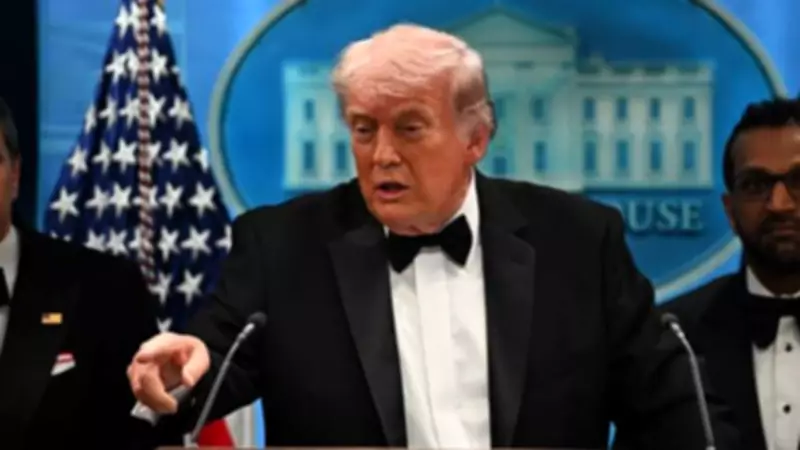
Speaking to reporters before boarding a flight to Miami, Trump said he had been told about the concept of the deal but was waiting for the exact wording. He expressed doubts about its acceptability, stating that Iran had “not paid a big enough price” for its actions. When asked if he might restart strikes on Iran, Trump replied: “I don’t want to say that. I mean, I can’t tell a reporter that. If they misbehave, if they do something bad, right now we’ll see. But it’s a possibility that could happen.”
Trump also defended US naval operations in the region, including recent seizures of vessels, describing them as necessary measures. He compared the US Navy to “pirates” but said they were “not playing games.”
Escalating Tensions
The Islamic Revolutionary Guard Corps (IRGC) warned that Washington faces a choice between an “impossible” war or accepting a “bad deal” with Tehran. Iran has issued a deadline for the United States to lift its naval blockade on Iranian ports, aiming to force a decisive shift in US policy.
Fresh tensions emerged after a cargo vessel was attacked near the Strait of Hormuz, a critical artery for international energy supplies. Disruptions have driven oil prices higher and contributed to economic uncertainty worldwide. Iran has also floated controversial ideas, including imposing tolls on ships transiting the waterway.
Diplomatic Efforts
Prime Minister Shehbaz Sharif briefed former Prime Minister Nawaz Sharif on diplomatic efforts to end the Middle East crisis. However, the proposal has been met with scepticism in Washington. Analysts say the US administration is facing mounting domestic pressure over rising fuel prices, which could influence Washington's willingness to pursue a diplomatic outcome.
Despite heightened rhetoric, both sides continue to signal openness to negotiations, albeit under sharply different conditions. Iran wants a permanent end to hostilities, while the United States insists on conditions that would limit Iran's strategic capabilities. The ongoing standoff is having significant ripple effects across the global economy, with energy markets highly sensitive to developments in the Gulf.