The United Nations has issued a stark warning that more than 1 million people in Lebanon are at risk of acute food insecurity in the coming months, as violence, mass displacement, and economic hardship worsen an already fragile humanitarian situation. The warning came on Wednesday, the same day Israeli authorities issued a new displacement order for 16 areas in Lebanon south of the Litani River, directing residents to relocate to the nearby city of Saida.
Displacement and Psychological Distress
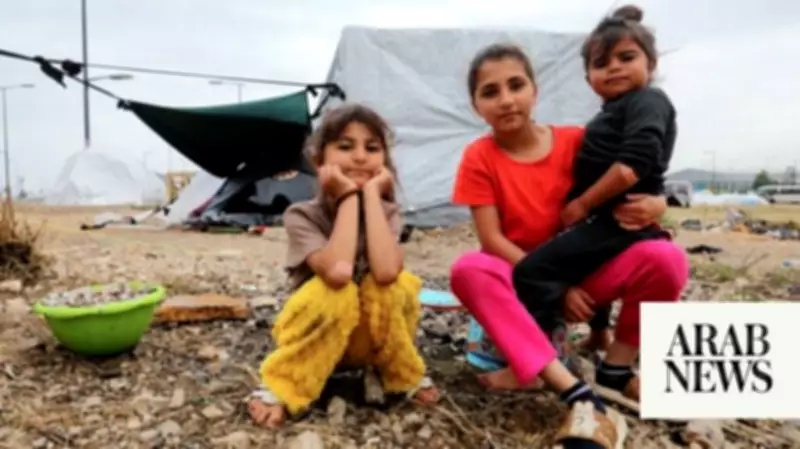
UN spokesperson Stephane Dujarric stated that the latest order adds to growing displacement pressures across the country, as civilians continue to bear the brunt of ongoing hostilities. Women and children remain disproportionately affected, with reports indicating rising levels of psychological distress. Many are facing compounded hardships stemming from displacement, family separation, and worsening economic conditions. Overcrowded shelters also increase the risk of gender-based violence, further exacerbating vulnerabilities among displaced populations.
Humanitarian Access Constraints
“We and our partners are responding to the mounting needs where access allows,” Dujarric told reporters in New York. However, he pointed out that humanitarian operations remain constrained by limited access in affected areas. The crisis has been further aggravated by deteriorating conditions affecting food security.

Food Security Analysis
A new analysis by the Food and Agriculture Organization and the World Food Programme concluded that recent gains had been reversed by the sharp escalation in violence, pushing Lebanon back into a state of crisis. Findings from the latest Integrated Food Security Phase Classification indicate that about 1.24 million people, nearly one-in-four of those assessed, are projected to face “phase 3,” or crisis-level, food insecurity or worse between now and August. This level means that households are forced to adopt severe coping mechanisms, such as skipping meals or selling essential belongings to afford food.
Funding Shortfall
Despite the scale of the crisis, funding for humanitarian efforts remains critically insufficient. The Lebanon Flash Appeal has so far received just over $117 million, which is only 38 percent of the $308 million required to meet the most urgent needs. Dujarric warned that without further immediate financial support and improved humanitarian access, conditions are likely to deteriorate further, leaving millions at heightened risk of hunger and hardship in the months ahead.