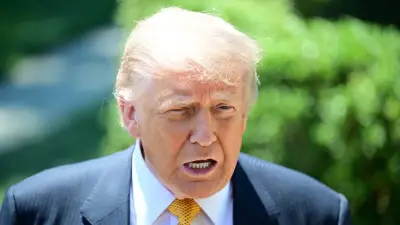
Donald Trump is discovering what many American presidents before him learned too late: the Middle East is easy to enter and almost impossible to leave. The latest exchange of strikes between the US and Iran has made this reality unmistakable. Washington says it hit Iranian military sites after the downing of an American drone. Iran says it responded by targeting a US-linked base. Kuwait has reported interceptions and sirens. The region is once again living under the shadow of a widening war.
The Pattern of Escalation
The danger is not only in the strikes themselves, but in the pattern they are beginning to establish. The US and Iran are now drifting into the same undeclared, low-grade war that has long defined Israel's war on Lebanon. Each side claims retaliation. Each side insists it is defending itself. Each side says it is open to diplomacy while continuing military action. This is how temporary escalation becomes a permanent condition.
Trump's Political Trap
Karachi's Fight Trump knows the political trap. Iran hawks in his administration, pro-Israel pressure groups, and Epstein-class politicians in Washington push him towards confrontation. Public anger over war fatigue, fuel prices, and economic pain pulls him back. Without a coherent endgame, he has fallen into the oldest imperial reflex: bombs away. Trump says Iran wants a deal, but every strike makes one harder. Tehran demands sanctions relief and frozen revenues. Washington demands nuclear guarantees. Israel's expanding war in Lebanon adds another obstruction. Meanwhile, the Strait of Hormuz remains the pressure point through which this conflict punishes the world.

The Beneficiary of Chaos
The beneficiary of this chaos is Benjamin Netanyahu. As long as Iran and the US remain locked in reciprocal strikes, attention shifts away from Israel's actions in Lebanon and Gaza. A wider regional blaze provides convenient cover. The world must now consider a grim possibility: this may not be a passing flare-up, but the new normal. A grinding, low-intensity war between Iran and the US would bleed the region, unsettle oil markets, raise prices, and drag the global economy behind it.