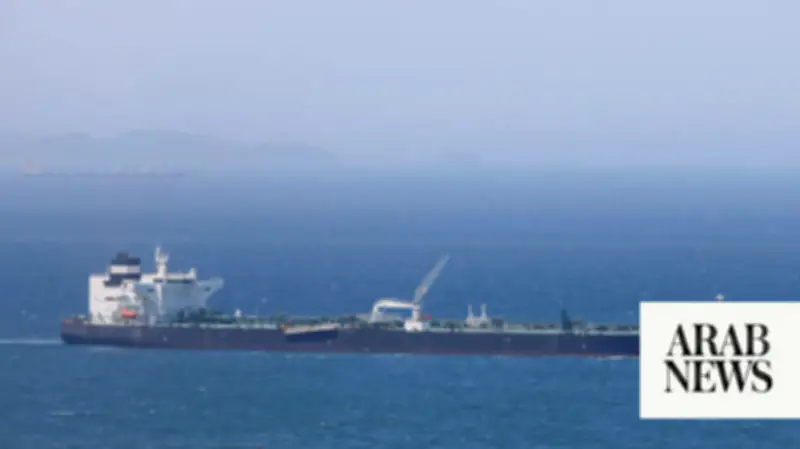
The US Treasury Department on Tuesday revoked a license that had temporarily lifted oil sanctions on Iran, calling Tehran's actions in the Strait of Hormuz “wholly unacceptable.” The decision comes after three tankers, including a Qatari LNG vessel, were struck within hours in the key waterway, according to maritime monitors and Qatar.
Waiver Revoked Amid Escalating Tensions
The waiver, announced in June, had originally allowed Iran to produce, sell and deliver crude oil and related products through August 21. A US official, speaking on condition of anonymity, told AFP that “Iran’s actions in the Strait were wholly unacceptable to the United States and will be met with consequences.” The move has revived concerns about freedom of navigation, especially after Iran had lifted its blockade of the waterway following a fragile ceasefire with the United States.
Qatar Condemns Attacks
Peace mediator Qatar denounced an “unacceptable” Iranian attack on the tankers. The Qatari LNG vessel was among those struck, heightening tensions in a region already on edge. The developments underscore the volatility of the Strait of Hormuz, the main route for Gulf energy exports, which has been a sticking point in negotiations between Tehran and Washington to permanently end the conflict that began in late February.

Performance-Based Agreement
The US official said that the memorandum of understanding with Iran “is entirely performance-based,” warning that Tehran will only see benefits if it shows “good behavior.” However, the official maintained that “our negotiators continue to work in good faith toward a final deal.” The revocation of the waiver signals a hardening of the US stance, even as diplomatic channels remain open.
Impact on Oil Markets
The revocation of the waiver could tighten global oil supplies, as Iran is a major producer. The attacks on tankers have already disrupted shipping through the Strait of Hormuz, through which about one-fifth of the world's oil passes. The US action is likely to increase pressure on Iran while also affecting oil prices and energy security for importing nations.