The Voting Rights Act of 1965, a landmark piece of civil rights legislation, is now effectively dead following a series of Supreme Court decisions that have gutted its core provisions. This has opened the door for unprecedented levels of gerrymandering, threatening the very foundation of American democracy.
What Happened to the Voting Rights Act?
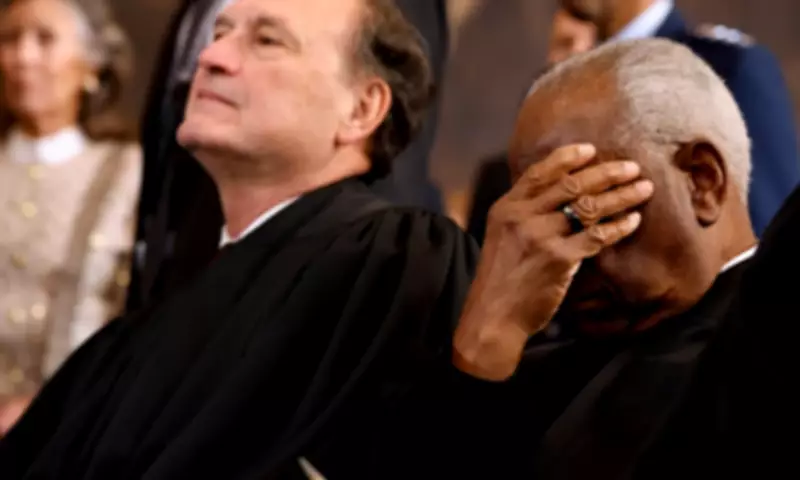
The Supreme Court's 2013 decision in Shelby County v. Holder struck down the formula used to determine which jurisdictions with a history of racial discrimination needed federal approval before changing voting laws. This effectively ended the preclearance requirement. In subsequent rulings, the court further weakened Section 2 of the act, making it harder to challenge discriminatory voting maps.
The Impact on Voters
Without these protections, states have been free to pass restrictive voter ID laws, close polling places in minority neighborhoods, and draw congressional districts that dilute the voting power of communities of color. This has led to a surge in partisan gerrymandering, where politicians choose their voters rather than voters choosing their representatives.

What is Maximum Gerrymandering?
Maximum gerrymandering refers to the extreme manipulation of electoral district boundaries to benefit a particular party or group. With the Voting Rights Act neutered, there are few legal barriers to prevent map drawers from packing minority voters into a few districts or cracking them across many districts to minimize their influence.
What Can Be Done?
Advocates are calling for new federal legislation, such as the John Lewis Voting Rights Advancement Act, to restore the preclearance formula and strengthen protections against racial discrimination in voting. However, with a divided Congress, the path forward is uncertain. In the meantime, state-level initiatives and grassroots organizing are crucial to combating voter suppression and gerrymandering.
The death of the Voting Rights Act marks a dangerous turning point. Without immediate action, American elections will become increasingly unrepresentative, and the principle of one person, one vote will be severely undermined.