Azma Bukhari Defends Government's Decision to Increase Petrol Prices
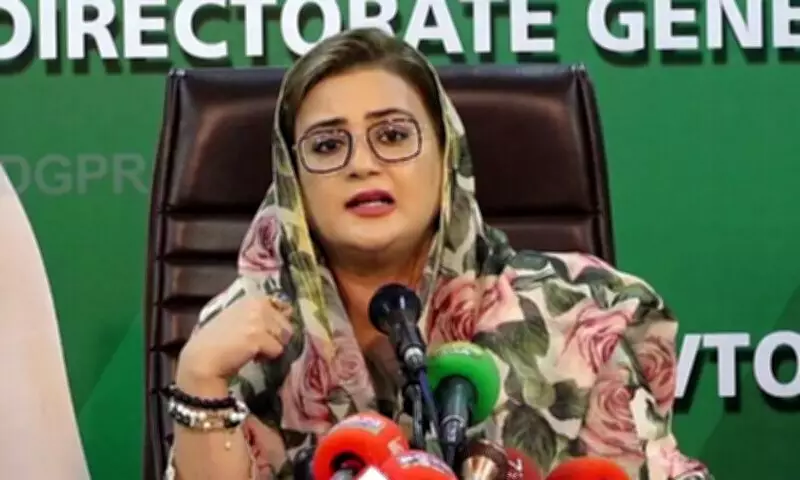
Punjab Information Minister Azma Bukhari has publicly defended the recent government decision to raise petrol prices, emphasizing the economic rationale behind this move. In a statement addressing public concerns, she highlighted that the adjustment is necessary due to fluctuating global oil markets and broader fiscal requirements.
Global Market Trends and Economic Necessity
Bukhari explained that the increase in petrol prices is directly linked to international crude oil price trends, which have been volatile in recent months. She noted that Pakistan, as an oil-importing nation, must adjust domestic prices to align with global benchmarks to maintain economic stability and avoid subsidies that could strain the national budget.
The minister stressed that this decision was not taken lightly and is part of a broader strategy to manage the country's energy sector efficiently. She pointed out that similar adjustments are common in other countries facing similar economic pressures, underscoring the need for Pakistan to adopt pragmatic policies in response to external factors.

Public Concerns and Government Response
Addressing public backlash, Bukhari assured citizens that the government is mindful of the impact on daily life and is implementing measures to mitigate effects, such as targeted subsidies for vulnerable groups. She called for public understanding, arguing that short-term sacrifices are essential for long-term economic recovery and sustainability.
This defense comes amid ongoing debates over inflation and living costs, with critics arguing that price hikes could exacerbate financial hardships for ordinary Pakistanis. However, Bukhari maintained that the government's approach is balanced and necessary to prevent larger economic disruptions.
Broader Implications for Policy and Economy
The petrol price increase is seen as a key component of the government's economic policy, aimed at reducing fiscal deficits and encouraging energy conservation. Bukhari reiterated that such decisions are data-driven and based on comprehensive analyses of market conditions and national needs.
She concluded by urging media and public to focus on the bigger picture of economic resilience, rather than isolated price changes. This stance reflects the government's commitment to transparent governance and proactive economic management in challenging times.