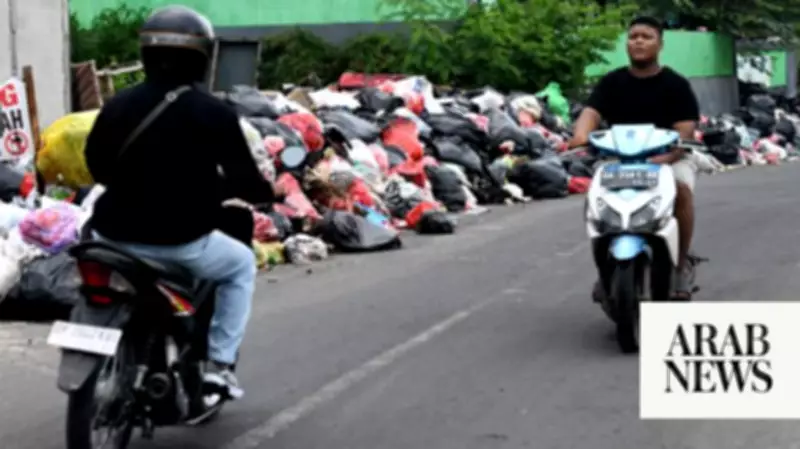
Bali, Indonesia's famed resort island, is grappling with a severe waste crisis after its largest landfill was closed to organic waste in early April. The government's move to enforce a longstanding ban on open dumping has left residents and businesses struggling with accumulating trash, which is attracting rats and being burned illegally, causing health concerns.
Impact on Local Businesses
Yuvita Anggi Prinanda, a 34-year-old flower stall owner in Denpasar, has been forced to dip into her profits to pay a private company to remove trash piling up near her shop. The stench has driven away customers. Her stall alone generates about four large bags of waste daily, mostly leaves and flower cuttings, contributing to Bali's estimated 3,400 tons of daily garbage.
Tourists and Public Spaces Affected
At Kuta Beach, a popular tourist destination, rubbish bags are piled waist-high in parking lots. Australian tourist Justin Butcher noted the smell and the presence of rats, calling it "not a good look." Around seven million tourists visited Bali last year, far exceeding the island's native population of 4.4 million, exacerbating the waste problem.

Government Response and Protests
On April 16, hundreds of sanitation workers protested at the governor's office, demanding solutions. In response, the local government allowed limited waste disposal at Suwung landfill until the end of July. However, from August, the government plans to end all open landfills nationwide, though alternatives remain unclear.
Waste Management Challenges
Nur Azizah, a waste management expert at Gadjah Mada University, warned that Suwung landfill, which receives about 1,000 tons of waste daily, has been overcapacity for years. Up to 70 percent of the waste is organic, generating methane that poses explosion and landslide risks. A March collapse at Indonesia's largest landfill near Jakarta killed seven people.
Long-Term Solutions
Nur emphasized the need for mass education on organic waste management, particularly composting. The government has launched awareness campaigns and distributed composting containers. However, out of Indonesia's 485 landfills, fewer than a third have closed since the open dumping ban was introduced 13 years ago. The government plans to break ground on waste-to-energy projects in June, including one in Bali capable of processing 1,200 tons daily, but these may take years to become operational.