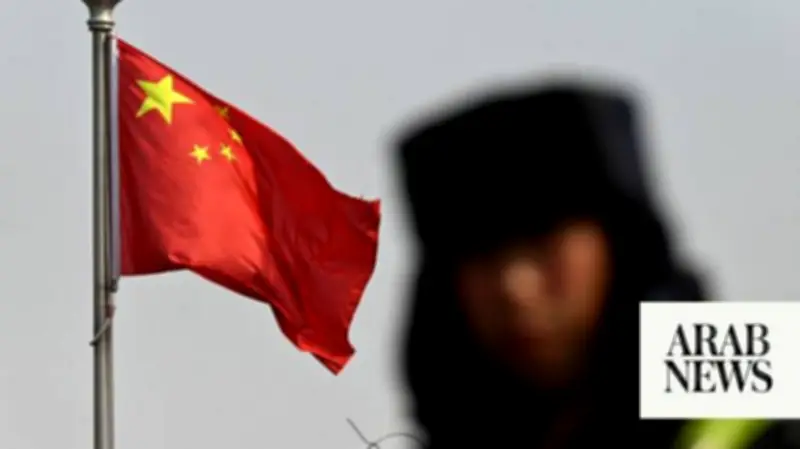
China's new Law on Promoting Ethnic Unity and Progress came into effect on Wednesday, July 1, 2026, drawing sharp criticism from Taiwan, the United Nations, and human rights organizations who argue it curtails freedoms, particularly for ethnic minorities.
Key Provisions of the Law
The legislation aims to forge a "shared" national identity among China's ethnic groups by strengthening the status of Mandarin as the official language. It also includes measures on social cohesion and preventing terrorism and separatism. A controversial clause allows authorities to hold individuals liable for violating the law even when they are outside China.
International Backlash
Amnesty International's Deputy Regional Director Sarah Brooks said the law requires "political and ideological alignment with the Chinese Communist Party" and will "further institutionalize policies of forced assimilation." She added that Chinese authorities have human rights obligations to protect minority communities, but this law does the opposite.

Taiwan expressed "strong condemnation," with its foreign ministry warning that "individuals from any country whose words or actions are not acceptable to China may become targets of the law." In Washington, nine US lawmakers, including the top Republican and Democrat on the Senate Foreign Relations Committee, voiced opposition, saying they are "deeply concerned by language in the law that demands ideological compliance with the CCP."
China's Defense
Beijing denies engaging in rights abuses and maintains that all ethnic groups benefit from its policies of internal security and economic development. Senior Chinese judicial official Hu Weilie defended the law as targeting "illegal acts that undermine ethnic unity and progress or incite ethnic separatism," calling the overseas enforcement clause "legitimate, lawful, and necessary."
Concerns for Minorities
UN rights chief Volker Turk called for the law to be repealed, warning it risks "deepening restrictions on freedoms of language, education, practice of religion, culture, expression and assembly." Uyghur and Tibetan advocates urged countries to push China to strike it down, saying it aims to erase minority communities. Taiwan's Mainland Affairs Council said Beijing now has "yet another law to fabricate charges" and will use it to "further suppress and persecute human rights in Xinjiang and Tibet."