Wars and Crises Expose the Failing International Order
The world has undergone profound changes over the past three decades. Technological advancements, space exploration, sophisticated military weapons, the arms race, economic ventures, and luxury have provided comfort but at the expense of peace, environmental sustainability, and human security. The ongoing wars, climate crisis, and food insecurity have made one thing clear: the existing international order is failing. This is not only a strategic failing but also a moral decline.
Global politics have shifted following the Russia-Ukraine war and the Iran-United States/Israel conflicts. These wars have turned Europe and the Middle East into zones of conflict, triggering hostility across entire regions. However, an important aspect must be examined. These are not just wars causing civilian suffering, food insecurity, energy crises, and military escalation. They represent a broader crisis of global governance and justice that, if left unchecked, could have far-reaching global impacts.
Economic and Humanitarian Consequences
The conflicts have caused trade disruptions and price shocks, deepened food insecurity, affected energy markets and shipping routes, increased inflation, and ultimately undermined global financial stability. This vulnerability reveals a sad reality: the existing order is no longer reliable, and global institutions no longer protect human rights and dignity or encourage cooperation.

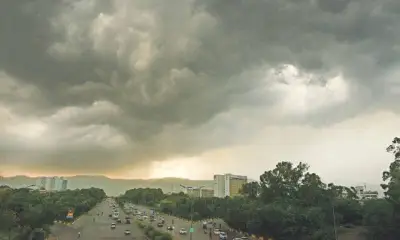
The most frightening aspect of today’s wars is their close association with climate change. Global hunger, climate change, and drought are no longer separate humanitarian issues; they are amplifying each other. The World Food Programme warns that hundreds of millions of people are at risk of facing acute hunger in 2026 due to these crises. Research on the climate-food-conflict nexus indicates that heatwaves, floods, and droughts negatively impact livelihoods and food prices.
The Need for a New Social Contract
Wars are not the only sign that the existing geopolitical order is not working. It is also the same system that is failing to prevent climate insecurity. This situation demands attention to the core of these conflicts and highlights the need for a new social contract based on equality and justice. This contract should go beyond elite security, limited nationalism, the monopoly of major powers, and unequal economic distribution. It should ensure human rights for all, fair distribution of resources, and focus on the connection between social welfare, ecological survival, peace, and human values.
At a minimum, a new social contract would involve reforming the United Nations Security Council to reflect 21st-century power politics by including all states and reforming the veto structure; creating an integrated environmental framework to hold major emitters accountable for damages and monitor their activities; establishing an international food security framework that makes hunger a collective responsibility rather than merely a humanitarian challenge; and, most importantly, investing in infrastructure for pre-conflict prevention. This could address the root causes of conflict, such as inequality, resource scarcity, and governance failures, rather than just responding after conflict occurs.
Global Solidarity as a Survival Strategy
The basic principle must be global solidarity. Critics will argue that major powers are unlikely to agree to such measures because they still operate according to a zero-sum game. However, continuing to respond to crises without a coordinated plan is both economically damaging and morally unacceptable. This is not idealism but a global survival strategy. Without a new social contract based on solidarity and justice, climate change, food insecurity, and drought will continue to drive humanitarian crises.
But here arises an important question: is the world ready to adopt a new social contract to build an integrated framework, or will it wait until a catastrophic event hits us hard?