A senior Iranian military officer said on Saturday that renewed fighting with the United States was "likely," hours after US President Donald Trump expressed dissatisfaction with an Iranian negotiating proposal. Iran delivered the new draft to mediator Pakistan on Thursday evening, state media reported, without detailing its contents.
Trump Criticizes Iranian Offer
"At this moment I'm not satisfied with what they're offering," Trump told reporters, blaming stalled talks on "tremendous discord" within Iran's leadership. "Do we want to go and just blast the hell out of them and finish them forever — or do we want to try and make a deal?" he added, saying he would "prefer not" to take the first option "on a human basis."
Iranian Military Warns of Conflict
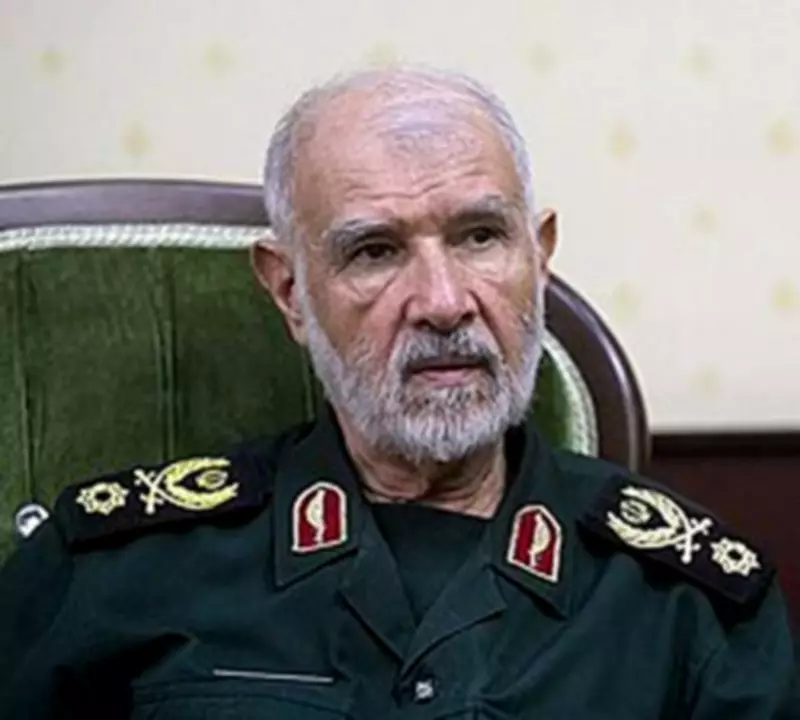
On Saturday morning, Mohammad Jafar Asadi, a senior figure in the Iranian military's central command, said "a renewed conflict between Iran and the United States is likely," in quotes published by Iran's Fars news agency. "Evidence has shown that the United States is not committed to any promises or agreements," he added.

Iran Ready for Both Paths
Later in the day, Iran's foreign ministry said it was up to the US whether to pursue a negotiated deal or return to open war, but that Tehran was ready for either outcome. "Now the ball is in the United States' court to choose the path of diplomacy or the continuation of a confrontational approach," deputy foreign minister Kazem Gharibabadi told diplomats in Tehran, according to state broadcaster IRIB. "Iran, with the aim of securing its national interests and security, is prepared for both paths," he said.
Background of the Conflict
The war, launched by the United States and Israel in late February, has been on hold since April 8, with one failed round of peace talks having taken place in Pakistan. Israel, which launched the military campaign against Iran jointly with the US six weeks ago, is not represented at the talks. Host Pakistan has no diplomatic ties with Israel and does not recognize its sovereignty.
The ceasefire declared by Trump last month came with core declared goals of the war unfulfilled, including ensuring that Iran does not attain nuclear weapons, destroying its missile program, and creating conditions for the Iranian public to overthrow the regime.
Naval Blockade and Seizures
Trump on Friday said the US Navy was acting "like pirates" in carrying out Washington's naval blockade of Iranian ports. "We took over the ship, we took over the cargo, we took over the oil. It's a very profitable business," Trump said. "We're like pirates. We're sort of like pirates but we are not playing games."
Some of Tehran's vessels have been seized by the US after leaving Iranian ports, along with sanctioned container ships and Iranian tankers in Asian waters. The Pentagon estimates Iran has lost $4.8 billion in oil revenue due to the US Navy's blockade of its ports, according to Axios. In addition to the vessels seized, 31 tankers carrying 53 million barrels of Iranian oil are now "stuck in the Gulf," with some ships sailing "a costlier and longer route to deliver oil to China for fear of US maritime interdiction."
Iran's Nuclear Program
The White House has declined to provide details on the latest Iranian proposal, but Axios reported that US envoy Steve Witkoff had submitted amendments to a previous one putting Tehran's nuclear program back on the negotiating table. The changes reportedly include demands that Iran not move enriched uranium from bombed sites nor resume activity there during talks.
Iran's mission to the UN pointed to the United States' massive nuclear arsenal, accusing it of "hypocritical behavior" toward Iran's own atomic program. It insisted there was no legal "restriction on the level of uranium enrichment, so long as it is conducted under the IAEA's supervision, as was the case with Iran."
Iran has consistently denied seeking to acquire nuclear weapons. However, it enriched uranium to levels that have no peaceful application, obstructed international inspectors from checking its nuclear facilities, and expanded its ballistic missile capabilities.