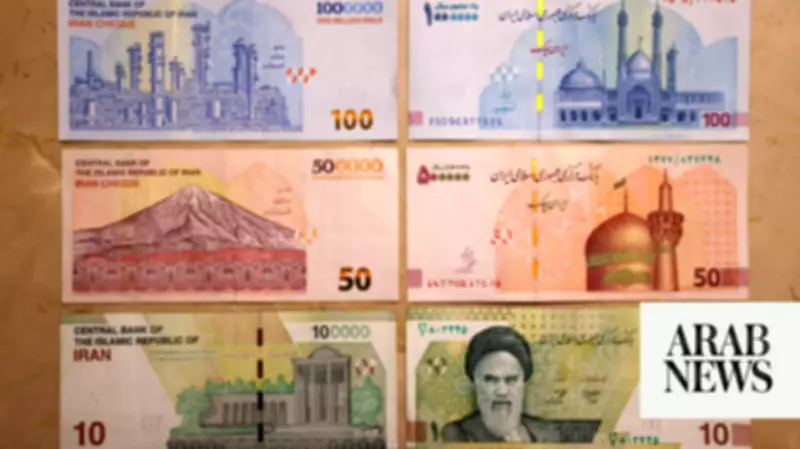
Iran's national currency, the rial, plunged to a historic low of 1.8 million against the US dollar on Wednesday, as the ongoing Middle East conflict continues to devastate the country's already fragile economy. The sharp decline over the past two days is expected to exacerbate inflation, experts warn, given that imported goods—from food and medicine to electronics and raw materials—are heavily influenced by the dollar exchange rate.
Demand for foreign currency surges
According to analysts, demand for foreign exchange that accumulated during six weeks of hostilities with the United States and Israel is now flooding into the open market. Despite a ceasefire in place, a US blockade of Iranian ports has intensified economic pressure by cutting off a vital source of revenue and hard currency through the interception or cessation of oil shipments.
Infrastructure strikes batter key industries
US and Israeli strikes on Iranian infrastructure have further crippled the economy, forcing Tehran to suspend exports of steel and petrochemical products. These sectors are crucial foreign currency earners for the heavily sanctioned nation. The loss of these exports has dealt a severe blow to Iran's ability to generate hard currency.

Inflation accelerates amid currency weakness
Data from Iran's central bank shows year-on-year inflation for the period from March 20 to April 20 stood at 65.8 percent. This trend is likely to accelerate as the rial continues to weaken and the government faces massive reconstruction needs. In 2025, the Iranian currency lost approximately 70 percent of its value, which triggered nationwide anti-government protests. The current situation poses further risks to economic stability and public sentiment.