Lebanese President Joseph Aoun stated on Monday that direct negotiations with Israel are intended to end the conflict with Hezbollah, implicitly accusing the Iran-backed group of treason for involving Lebanon in the war. In a statement, Aoun said, 'My goal is to reach an end to the state of war with Israel, similar to the armistice agreement of 1949,' while emphasizing that he would not accept a humiliating deal. He added, 'Those who dragged us into war in Lebanon are now holding us accountable because we made the decision to go to negotiations. What we are doing is not treason. Rather, treason is committed by those who take their country to war to achieve foreign interests.'
Hezbollah Rejects Negotiations
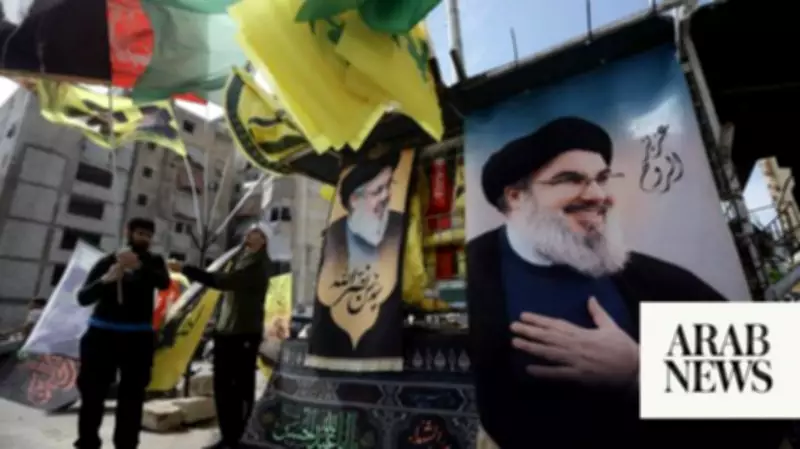
Hezbollah leader Naim Qassem categorically rejected direct talks with Israel, calling them a 'grave sin' that would destabilize Lebanon. In a statement aired by Al-Manar, Qassem said, 'We categorically reject direct negotiations with Israel, and those in power should know that their actions will not benefit Lebanon or themselves.' He urged authorities to 'back down from their grave sin that is putting Lebanon in a spiral of instability' and warned that the government 'cannot continue while it is neglecting Lebanon's rights, giving up land, and confronting its resistant people.' Qassem declared that Hezbollah would not give up its weapons and would continue 'defensive resistance' against Israel.
Recent Violence and Ceasefire Violations
Lebanon's health ministry reported that Israeli strikes on the country's south on Sunday killed 14 people, the deadliest day since a ceasefire came into force on April 17. Since the truce began, Israeli strikes have killed at least 36 people, according to an AFP tally. Hezbollah has claimed several attacks on Israeli troops in southern Lebanon and launched missiles and drones at northern Israel, citing Israeli violations. The two countries have officially been at war since 1948. The Lebanese presidency posted on social media, 'What we are doing is not treason; rather, treason is committed by those who take their country to war to achieve foreign interests.' Aoun also questioned, 'When you went to war, did you first obtain national consensus?'