The National Assembly Standing Committee on Finance has finalized the Finance Bill 2026, introducing sweeping amendments including a historic tax exemption for the Quaid-e-Azam Mazar Management Board after 58 years. The committee, chaired by Syed Naveed Qamar of the PPP, also proposed allowing traders to exit the optional fixed income tax scheme and slashed import duties on cars by up to 56%.
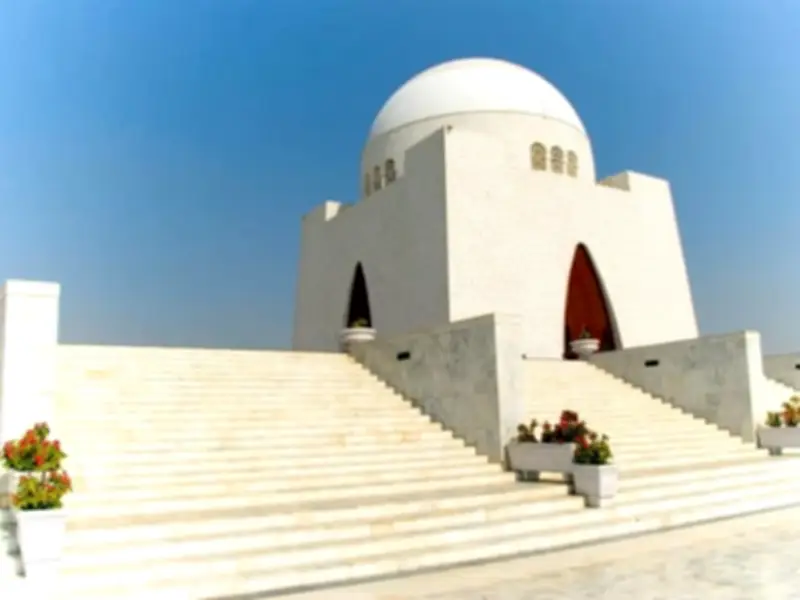
Quaid-e-Azam Mazar Tax Exemption After 58 Years
The committee proposed exempting the income of the Quaid-e-Azam Mazar Management Board from tax, a move that comes 58 years after the board's establishment. Pakistan's income tax law already contains numerous exemptions for various entities, including some of the nation's largest conglomerates. This year, nine more entities will be added to the exemption list—five proposed by the government and four added by the committee, including the Quaid-e-Azam Mazar income. Other additions include Make-a-Wish Foundation, provincial employees' social security institutions, and Workers Welfare Fund organizations.
Traders Allowed to Exit Fixed Tax Regime
The committee proposed allowing traders to leave the fixed income tax regime from tax year 2027. The government had introduced an optional scheme requiring traders to pay only 1% of sales in income tax and a minimum Rs25,000 per annum in exchange for audit exemption and integration into the digital economy. According to the budget proposal, "Provided that a person having turnover up to Rs200 million may opt out of final tax regime at the time of filing of return for tax year 2027 and onwards."

Cheaper Cars Under New Tariff Structure
The committee proposed reducing maximum import taxes on cars from 156% to 74% for vehicles up to 2,000cc, aligning with the National Tariff Policy aimed at trade liberalization. Import taxes have been reduced in the range of 26% to 56%. For vehicles above 1,800cc, the maximum tariff drops from 156% to 74%. On imported cars, SUVs, and other vehicles with engine capacity of 2,000cc and above, an 86% federal excise duty is imposed. For vehicles exceeding 3,000cc, the tax rate is 92%. For the 1,500cc to 1,800cc category, combined tariff falls from 91% to 57%. For 1,000cc to 1,500cc vehicles, duties decrease from 76% to 52%. For 850cc to 1,000cc vehicles, the maximum tariff is reduced from 71% to 47%, and for vehicles up to 850cc, bikes, and vehicle bodies, from 66% to 42%. For the auto-parts sector, the maximum tariff is reduced from 61% to 45%, including 25% customs duty.
Other Key Amendments
The committee proposed a 1% sales tax on coal imports, provided the coal is exclusively and directly supplied to independent power producers. It rejected a proposal to reduce the minimum income tax rate for terminal service providers to 12%. The committee linked the Rs80 per litre excise duty on petrol solvents to a condition that the duty shall not be charged on white spirit and solvent oil purchased for in-house consumption if both the importer and recipient hold licences from the Department of Explosives, effectively creating a back door to avoid the levy. It also rejected imposing late payment surcharges on oil marketing companies for delayed petroleum levy deposits. Sales tax on wheat and rice bran was exempted.
Minimum Tax and Late Filing Penalties
The committee approved a 0.5% minimum tax for sectors including pharmaceuticals, fertiliser, cigarettes, sugar, locally manufactured mobile phones, frozen food, electronics, beverages, dairy products, pasta, cereals, biscuits, nuts, snacks, condiments, baking items, skincare, cosmetics, hair care, oral care, baby care, cleaning agents, toilet paper, paper towels, facial tissues, napkins, trash bags, aluminium foil, air freshener, and insect sprays. It rejected fines up to Rs100,000 for late filing but added that late filers cannot register property for six months. The committee excluded sales of plates, films, coils, tape, and sheets from sales tax at market price. A Rs30 per unit sales tax on the steel sector was approved, regardless of power source.

Aviation Sector and Mobile Phone Tax
The committee extended tax exemptions to the entire aviation sector to address discrimination against private airlines. For airlines other than Pakistan International Airlines (PIA), exemptions take effect from July 2027. Individuals are now allowed to pay tax on mobile phones in instalments within a year.