Prime Minister Directs Fast-Track Push for Electric Vehicles to Cut Fuel Imports
In a decisive move to address economic and environmental challenges, the Prime Minister has issued directives for an accelerated transition to electric vehicles across Pakistan. This initiative aims to significantly reduce the nation's reliance on imported fuel, which has long been a major drain on foreign exchange reserves and a contributor to trade deficits.
Immediate Action Required for EV Adoption
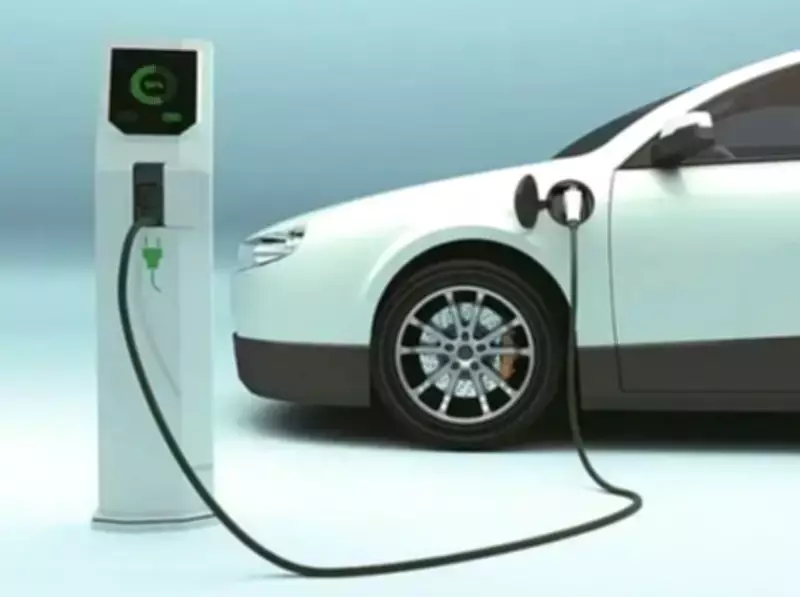
The Prime Minister emphasized the urgent need for fast-tracking policies and infrastructure to support electric vehicle adoption. Key measures include streamlining regulatory approvals, offering incentives for manufacturers and consumers, and expanding charging networks nationwide. This push is part of a broader strategy to modernize the transport sector and align with global sustainability trends.
Economic Benefits and Import Reduction

By shifting to electric vehicles, Pakistan expects to cut its fuel import bill substantially, saving billions of dollars annually. This reduction will help stabilize the economy, lower inflation pressures linked to fuel prices, and enhance energy security. The move also supports local industries by encouraging domestic production of EVs and related components, potentially creating new jobs and boosting technological innovation.
Environmental and Health Impacts
Beyond economic gains, the transition promises significant environmental benefits. Electric vehicles produce zero tailpipe emissions, which can improve air quality in urban areas and reduce public health issues associated with pollution. This aligns with Pakistan's commitments to climate goals and sustainable development, positioning the country as a proactive player in the global fight against climate change.
Challenges and Implementation Strategy
Despite the enthusiasm, challenges remain, such as high upfront costs, limited charging infrastructure, and consumer awareness. The government plans to address these through public-private partnerships, subsidies, and awareness campaigns. Collaboration with international partners and technology providers is also being explored to ensure a smooth and efficient rollout.
In summary, the Prime Minister's directive marks a pivotal step towards a greener and more self-reliant Pakistan, with electric vehicles at the forefront of this transformative agenda.