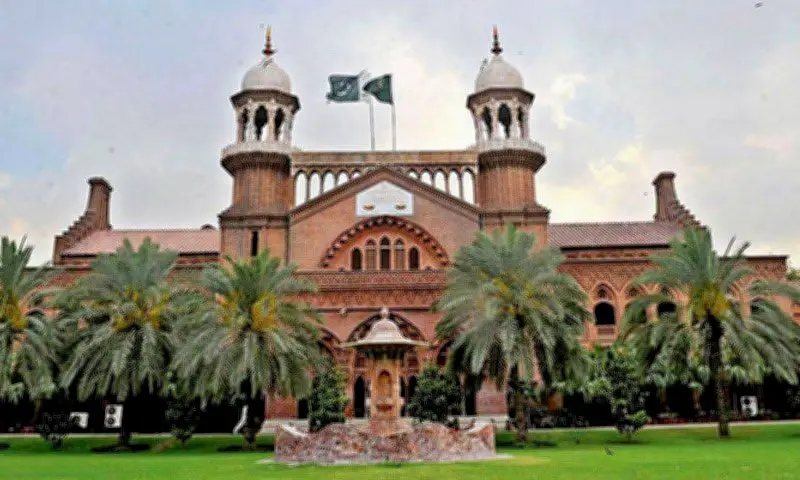
The Lahore High Court (LHC) has delivered a significant judgment, affirming that a wife cannot be denied the rights promised to her under a marriage contract. The court stressed that the terms of a Nikahnama must be respected and interpreted according to the mutual intentions of both parties at the time of marriage.
Case Background
Justice Sultan Tanveer of the LHC's Multan Bench issued the ruling while hearing a petition filed by a woman involved in a dispute over land that had been promised to her as Haq Mehr. The court accepted the petition and overturned a trial court decision that had permitted the husband to pay Rs1.6 million in lieu of transferring the agreed property. The case has now been remanded to the lower court for fresh proceedings.
Details of the Marriage Contract
According to the judgment, the couple married in 2015, and two acres of land were specified as Haq Mehr in their Nikahnama. However, instead of transferring the land, the husband later paid Rs1.6 million, based on the property's value at the time of marriage. The trial court had previously upheld this payment as a substitute for the land.

High Court's Ruling
The High Court disagreed with the trial court's interpretation, emphasizing that commitments made in a marriage contract should be honored unless there are valid legal grounds to rule otherwise. The judgment underscored the importance of protecting contractual rights agreed upon at the time of marriage and ensuring that the original intentions are given due consideration in legal proceedings.
The court highlighted that the Nikahnama is a sacred document that outlines the rights and obligations of both spouses, and any deviation from its terms must be justified by compelling legal reasons. This ruling reinforces the principle that marriage contracts are binding and must be enforced to protect the interests of the parties involved.