Sindh Government Announces Major Administrative and Educational Measures Amid Regional Tensions
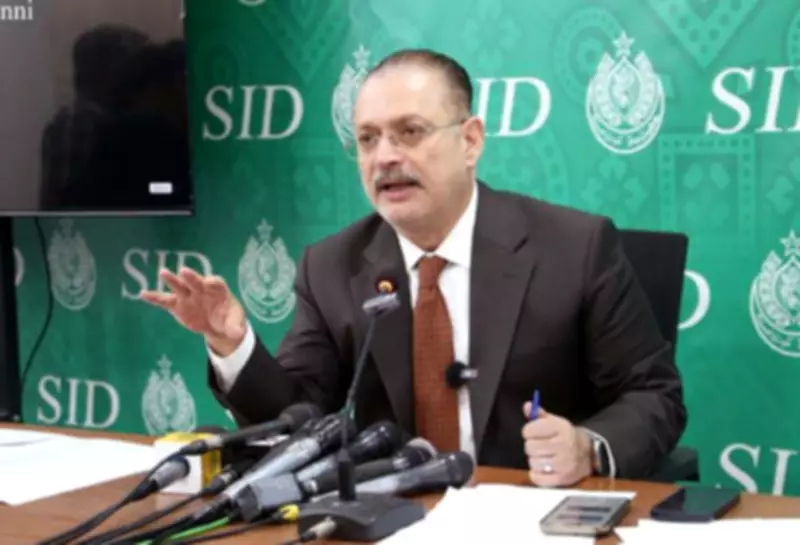
The Sindh provincial cabinet, led by Information Minister Sharjeel Inam Memon, has unveiled a comprehensive set of decisions in response to the escalating Middle East crisis stemming from the US-Israel conflict with Iran. These measures, announced during a media briefing on Tuesday, encompass educational adjustments, government operations, and significant austerity initiatives aimed at addressing economic and administrative challenges.
Educational Adjustments and School Closures
In a move to ensure public safety, the Sindh government has declared that all schools across the province will remain closed from March 16 to March 31. This period will be observed as spring holidays. However, colleges and universities will continue their academic activities through online classes, with no postponement of scheduled examinations. This decision reflects the government's proactive approach to maintaining educational continuity while prioritizing security concerns.
Government Operations and Remote Work Policy
To adapt to the regional tensions, government offices in Sindh will operate under a modified schedule. Regular operations will continue from Monday to Thursday, while Fridays have been designated for remote work as part of a temporary arrangement. This measure aims to reduce public movement and enhance safety during the ongoing crisis, ensuring that essential services remain functional while minimizing risks.

Approval of Student Attendance Monitoring System
The cabinet has given its approval to the innovative Student Attendance Monitoring and Redress System (SAMRS) policy. This groundbreaking initiative will utilize a mobile application and a digital dashboard to meticulously track student attendance and enrollment across educational institutions. Information Minister Sharjeel Inam Memon highlighted that this policy marks a first-of-its-kind implementation in Pakistan, emphasizing the government's commitment to improving educational oversight and accountability.
Austerity Measures and Financial Savings
In light of the economic challenges facing the country, the Sindh cabinet has introduced several austerity measures. These include a complete suspension of all government-funded refreshments in public offices for the next two months, particularly during the holy month of Ramazan. Employees may opt to use water or other items at their own expense if desired. Additionally, the province has imposed a 50 percent reduction in fuel allowances for government vehicles, which is projected to save approximately Rs960 million. A further 20 percent cut in non-essential government expenditures during the final quarter is expected to yield savings of around Rs12 billion.
Bans on Expenditures and Purchases
To curb unnecessary spending, the cabinet has implemented strict bans on various expenditures. These include a complete prohibition on the purchase of new government vehicles, with exceptions only for essential operational vehicles such as ambulances. The acquisition of new equipment, non-essential foreign tours, and state-funded refreshments in government offices has also been banned for the next two months, reinforcing the government's focus on fiscal responsibility.
Empowerment of Women Agricultural Workers
In a significant move towards gender equality and social welfare, the cabinet approved the Sindh Agriculture Women Workers Rules. These rules are designed to enhance protections for women in the agricultural sector by ensuring equal wages and maternity benefits, alongside legal safeguards against harassment and discrimination. The government will also issue Benazir Women Agricultural Workers Cards and establish a Rs500 million endowment fund to support the welfare of women agricultural workers. Minister Memon emphasized that empowering women and ensuring their protection is a core government responsibility, noting that such comprehensive measures had not been previously implemented for women in this sector.

Healthcare and Security Reforms
The cabinet approved additional funding for the Hasan Suleman Memorial Hospital in Malir, a modern 312-bed facility located on the National Highway, to provide high-quality healthcare services to citizens. On the security front, the home minister has been directed to immediately withdraw police security from unauthorized individuals, including former caretaker ministers who had retained their security details for over two years. State security will now be strictly limited to individuals with genuine, verified threats, ensuring a more efficient allocation of resources.
Market and Food Security Initiatives
To prevent market shortages ahead of the next crop harvest, the government has ordered the immediate release of available wheat stocks to traders and mill owners. This measure aims to stabilize food prices and ensure supply chain continuity during the ongoing regional tensions.
Expression of Support for National Institutions
Concluding the briefing, Information Minister Sharjeel Inam Memon expressed unwavering support for the Pakistan Armed Forces, Air Force, and national institutions currently engaged in countering terrorism linked to the Taliban in Afghanistan. He affirmed that the Sindh government and the Pakistan People's Party stand united with the federal government and state institutions during these challenging times, highlighting a collective commitment to national security and stability.
The Sindh government's multifaceted approach underscores its efforts to balance public safety, economic prudence, and social welfare amid regional uncertainties, setting a precedent for proactive governance in times of crisis.