Water Shortage and Public Transport Crisis Hit Major Cities in Pakistan
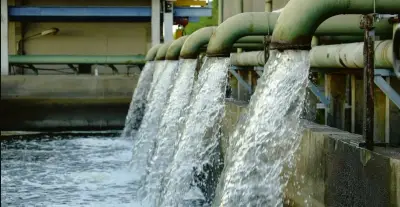
Major urban centers across Pakistan are grappling with a dual crisis of severe water shortages and significant disruptions in public transport services. This situation is severely impacting the daily lives of millions of residents, leading to widespread inconvenience and economic strain. The water scarcity issue has reached alarming levels, with many areas experiencing prolonged dry spells and inadequate supply, forcing citizens to rely on expensive alternatives or face hardship.
Water Shortage Intensifies in Urban Areas
The water shortage crisis has intensified in recent weeks, affecting cities such as Karachi, Lahore, and Islamabad. Reports indicate that many neighborhoods are receiving water for only a few hours a day, if at all, with some areas completely cut off from the municipal supply. This has led to long queues at water tankers and increased prices for bottled water, putting additional financial pressure on households. The situation is exacerbated by aging infrastructure, poor management, and increasing demand due to population growth.
Authorities have acknowledged the problem but have yet to implement effective solutions. Residents are calling for urgent action to upgrade water distribution systems and ensure equitable access. The water crisis is not only a matter of convenience but also poses serious health risks, as inadequate sanitation and hygiene can lead to the spread of diseases.

Public Transport Disruptions Worsen Commuting Woes
Simultaneously, public transport services in these cities are facing major disruptions, adding to the daily challenges faced by commuters. Issues such as fuel shortages, maintenance problems, and operational inefficiencies have led to reduced frequency and reliability of buses and other transit options. This has resulted in overcrowded vehicles, longer wait times, and increased travel costs for those who rely on public transport for their daily commute.
The transport crisis is particularly affecting low-income workers and students, who depend on affordable and accessible transit to reach their workplaces and educational institutions. The lack of reliable public transport is also contributing to increased traffic congestion and pollution, as more people turn to private vehicles. Experts emphasize the need for investment in modernizing the transport infrastructure and improving service quality to meet the growing urban demand.
Call for Immediate Government Intervention
In response to these crises, citizens and advocacy groups are urging the government to take immediate and decisive action. Key demands include:
- Implementing short-term relief measures, such as emergency water supply and temporary transport solutions.
- Investing in long-term infrastructure projects to address water scarcity and improve public transport networks.
- Enhancing coordination between local and provincial authorities to ensure effective management of resources.
- Promoting public awareness campaigns on water conservation and efficient transport usage.
The dual challenges of water shortage and public transport disruptions highlight the urgent need for comprehensive urban planning and sustainable development in Pakistan. Without prompt intervention, these issues are likely to worsen, further straining the economy and quality of life in major cities.