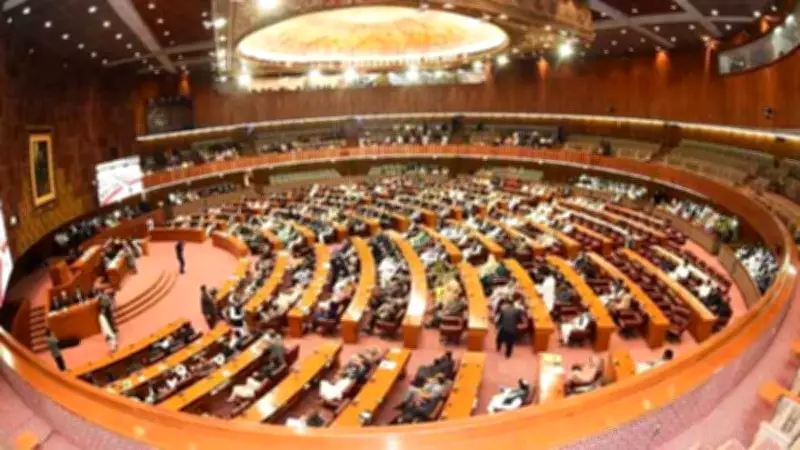
National Assembly Unveils Major Austerity Measures to Curtail Government Expenditure
In a decisive move to address fiscal pressures, the National Assembly has announced a series of major austerity steps aimed at significantly reducing government spending. This initiative reflects a proactive approach to managing the national budget amidst ongoing economic challenges, with lawmakers emphasizing the need for prudent financial management to ensure long-term stability.
Key Components of the Austerity Plan
The austerity measures encompass a broad range of actions designed to streamline expenses across various government departments. Key components include:
- Reduction in Non-Essential Expenditures: Immediate cuts to discretionary spending on items such as travel, entertainment, and office supplies, with a focus on minimizing waste and optimizing resource allocation.
- Review of Subsidies and Grants: A comprehensive assessment of existing subsidies and grants to identify areas where funding can be rationalized or redirected towards more critical sectors, ensuring that public funds are used efficiently.
- Freeze on New Hiring: A temporary halt on the recruitment of new personnel in non-essential roles, aimed at controlling payroll costs and encouraging departments to operate with existing staff.
- Energy Conservation Initiatives: Implementation of measures to reduce energy consumption in government buildings, including the adoption of energy-efficient technologies and practices to lower utility bills.
Implications for Economic Policy and Governance
These austerity steps are expected to have far-reaching implications for the country's economic policy and governance framework. By curbing excessive spending, the government aims to:

- Enhance Fiscal Discipline: Strengthen budgetary controls and promote a culture of accountability in public finance management, reducing the risk of deficits and debt accumulation.
- Boost Investor Confidence: Signal a commitment to sound economic practices, potentially attracting more investment by demonstrating a stable and responsible fiscal environment.
- Support Social Welfare Programs: Redirect saved funds towards essential services such as healthcare, education, and infrastructure, ensuring that austerity does not compromise public welfare but rather prioritizes it through smarter spending.
The announcement has sparked discussions among policymakers and economists, with many viewing it as a necessary step to navigate current economic uncertainties. However, concerns have been raised about potential impacts on public services and employment, highlighting the need for careful implementation and monitoring.
Overall, the National Assembly's austerity measures represent a significant shift towards fiscal restraint, with the goal of fostering a more resilient and sustainable economic future for the nation. As these steps are rolled out, ongoing evaluation will be crucial to ensure they achieve their intended outcomes without undue hardship on citizens.