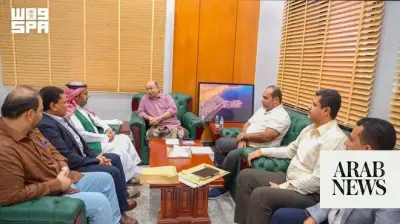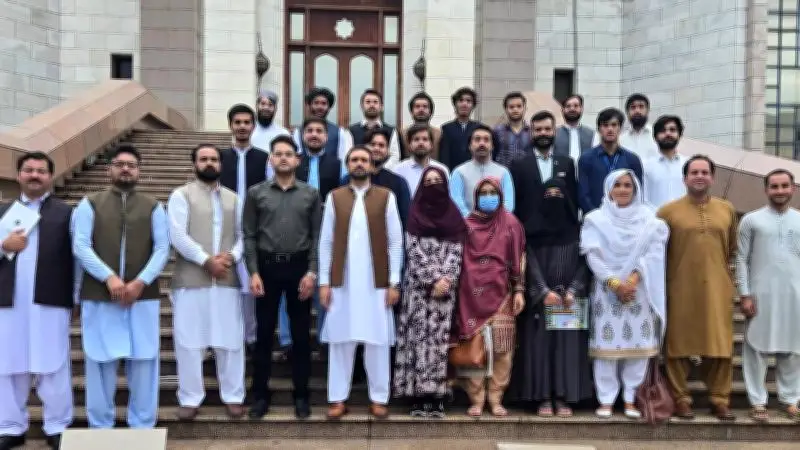
The International Crisis Chamber at the University of Central Punjab (ICC UCP) organized the fourth edition of the Youth Leadership Parliament (YLP IV) in Lahore, bringing together university students to deliberate on pressing policy challenges. Unlike typical model UN sessions, this conference featured a Federal Cabinet Committee as its centerpiece, where delegates assumed ministerial portfolios and addressed the question: How to tackle youth unemployment in Pakistan? Notably, the committee did not use AI tools for research or drafting, relying solely on the delegates' expertise.
Federal Cabinet Committee Focuses on Youth Unemployment
Delegates questioned fund allocation between ministries, cross-examined policy successes, and debated the roles of the state and private sector. Proposed solutions included state-run vocational training, integrating digital skills into school curricula, and creating incentives for private sector employment. The most critical observation was the need to formalize Pakistan's informal economy, which employs 70-80 percent of the workforce. The committee argued that without formalization, revenue for skills programs and social protections would remain insufficient.
Pakistan National Assembly Committee Tackles Energy Sector Reform
The Pakistan National Assembly (PNA) committee addressed energy sector challenges, including shortages, tariff instability, and sustainability. Delegates analyzed structural inefficiencies in distribution companies, fuel dependency, and circular debt. Recommendations focused on long-term investments in renewables, grid modernization, and governance reforms. The specificity of student discussions on these complex issues was remarkable.

Legal Affairs Committee Examines Women's Property and Marriage Rights
The Legal Affairs Committee tackled the protection of women's property and marriage rights within Pakistan's legal, cultural, and religious frameworks. Delegates noted that while laws exist, implementation mechanisms are weak. They proposed innovative interventions, such as a computerized system to document women's land rights, which customary laws often fail to capture.
Foreign Affairs and Crisis Committees Address Geopolitical Issues
The Foreign Affairs Committee discussed Pakistan's stance amid changing U.S.-Iran relations and implications for national security. Delegates assessed Pakistan's position, considering its long border with Iran and security relationship with the United States, moving beyond textbook non-alignment. The Crisis Committee, operating under the Quranic phrase Bunyan Marsoos (meaning unity and structural strength), simulated high-pressure internal and regional security scenarios requiring swift, coordinated decisions with incomplete information.
Conclusion: Building a Culture of Serious Policy Debate
Youth conferences in Pakistan are common, but YLP IV distinguished itself by ensuring participants left with a deeper understanding of substantive issues. The conference demonstrated that rigorous, evidence-based debate among students can produce credible policy insights. While the problems discussed cannot be solved in a conference hall, cultivating the habit of critical thinking early is essential. As one delegate noted, 'The responsibility for an argument should be based on the quality of the argument, not on the confidence of the argument.' The students in Lahore last week appeared to understand that.