Jamaat-e-Islami (JI) has extended an invitation to workers of Pakistan Tehreek-e-Insaf (PTI) to join their movement, emphasizing a unified struggle for political and social change in Pakistan. The offer comes amid shifting political alliances and growing public discontent with the current government's performance.
JI's Call for Unity
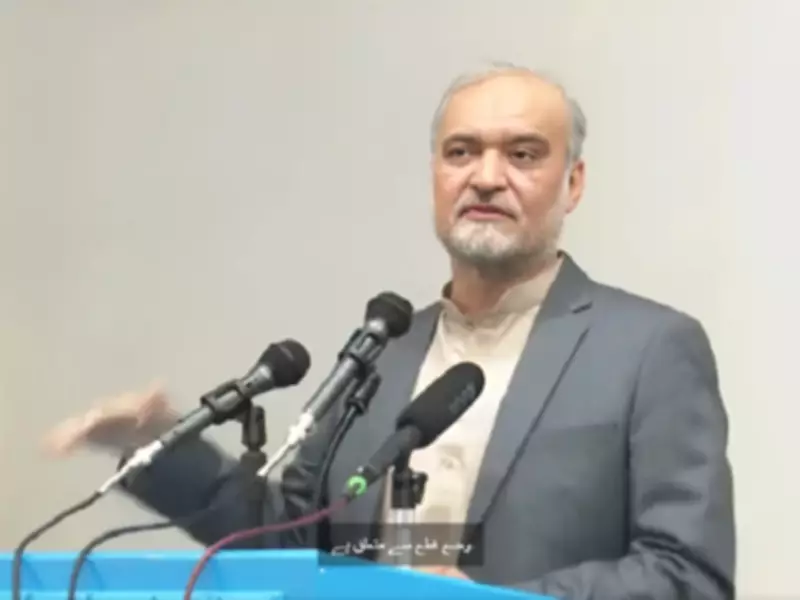
In a press conference held in Lahore, JI leader Siraj-ul-Haq stated that the party welcomes all patriotic Pakistanis who seek to bring about a positive transformation in the country. He specifically addressed PTI workers, saying, "We invite our brothers from PTI who are disillusioned with the current political scenario to join us in our mission for a just and prosperous Pakistan."
Shared Goals and Ideals
The JI chief highlighted that both parties share common objectives, such as combating corruption, ensuring social justice, and upholding the rule of law. He noted that many PTI workers have expressed interest in JI's vision, and the party is ready to provide them with a platform to work for the nation's betterment.

Political Context
This development occurs against the backdrop of PTI's internal challenges and the ongoing political uncertainty in the country. PTI, led by former Prime Minister Imran Khan, has been facing legal and political pressures, leading to a possible exodus of its workers. JI aims to capitalize on this situation by offering an alternative for those who remain committed to change.
Reaction from PTI
PTI officials have responded cautiously, with some dismissing the invitation as a political stunt. However, others acknowledge that the decision to join any movement rests with individual workers. The party itself is focused on its own struggles and maintaining its support base.
Implications for Pakistan's Political Landscape
Analysts suggest that if a significant number of PTI workers move to JI, it could strengthen the latter's position as a key opposition force. JI has traditionally maintained a smaller but dedicated following, and absorbing PTI's grassroots workers could expand its reach, especially in urban centers. This realignment might also influence the dynamics of future elections and coalition building.
Conclusion
JI's invitation marks a strategic move to broaden its appeal and consolidate opposition ranks. Whether PTI workers will respond positively remains to be seen, but the offer underscores the fluid nature of Pakistan's political allegiances. As the country navigates complex challenges, such overtures could reshape the political landscape in the coming months.