Pakistan and Egypt Successfully Conclude Thunder-II Joint Military Exercise
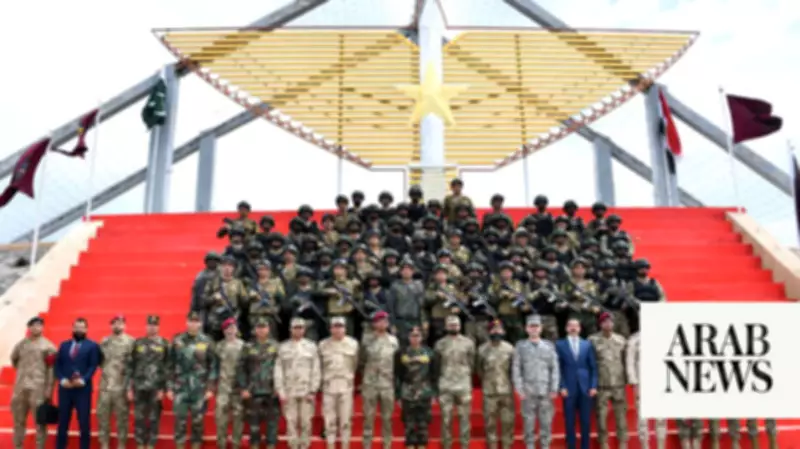
The Pakistani and Egyptian armies have officially wrapped up a two-week joint military exercise, Thunder-II, designed to boost interoperability and refine counterterrorism operations. The exercise concluded with a closing ceremony in Cherat, Khyber Pakhtunkhwa, Pakistan, as announced by the Inter-Services Public Relations (ISPR) on Monday.
Enhancing Special Forces Collaboration
The Pakistan–Egypt Joint Exercise Thunder-II commenced on April 6 at the Special Operations School in Cherat, located in northwestern Pakistan. Personnel from the Pakistan Army’s elite Special Services Group (SSG) and the Egyptian Army’s special forces actively participated in the drill. According to the ISPR, the exercise focused on counterterrorism operations, aiming to enhance interoperability by refining drills, procedures, and techniques through intensive joint training sessions.
The closing ceremony was attended by high-ranking military officials from both nations. The General Officer Commanding of the SSG served as the chief guest, while Egyptian Paratroopers Commander Major General Mohamed Saad Abdel Razik and Egypt’s defense attaché were also present to witness the event. This underscores the strategic importance both countries place on military cooperation and shared security objectives.

Deepening Historical and Defense Ties
Pakistan and Egypt share a long-standing relationship that dates back to the early years of Pakistan’s independence. Egypt was among the first Middle Eastern countries to recognize Pakistan, with formal diplomatic relations established in 1948. Over the decades, this bond has evolved to encompass strong diplomatic, political, and defense collaborations.
In a significant development last October, both nations agreed to strengthen economic and security cooperation during a high-level meeting in Cairo. Pakistani Army Chief Field Marshal Asim Munir, now the chief of Pakistani defense forces, met with Egyptian President Abdel Fattah El-Sisi to discuss enhancing bilateral ties. This exercise, Thunder-II, is a direct outcome of such agreements, reflecting a mutual commitment to addressing regional security challenges, particularly in counterterrorism.
The successful execution of Thunder-II not only highlights the operational readiness of both armies but also reinforces the enduring partnership between Pakistan and Egypt. As global security dynamics evolve, such joint exercises are crucial for fostering trust, sharing expertise, and building resilient defense mechanisms against common threats.