Parliament's Joint Session Timing Revised, New Schedule Unveiled
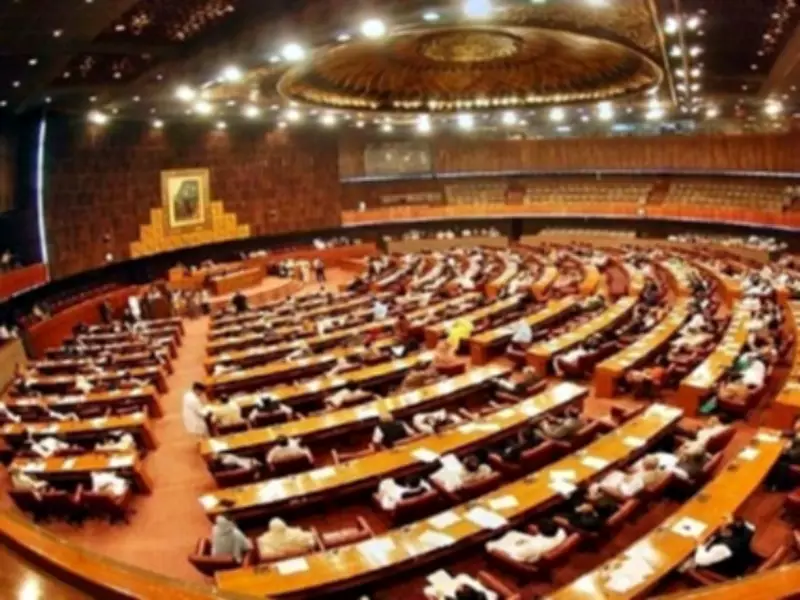
In a recent development, the timing for the joint sitting of Pakistan's Parliament has been altered, with authorities announcing a new schedule for the legislative assembly. This adjustment is expected to impact the flow of parliamentary proceedings and the coordination of government and opposition activities.
Details of the Timing Change
The change in timing was confirmed by parliamentary officials, who stated that the joint session, which brings together members of the National Assembly and Senate, will now convene at a different hour than previously planned. This revision aims to accommodate logistical considerations and ensure smoother operations during the session.
Key aspects of the new schedule include:

- A shift in the start time to allow for better preparation and attendance.
- Adjustments to the agenda to align with the updated timing.
- Implications for legislative debates and decision-making processes.
Impact on Parliamentary Proceedings
The alteration in timing is likely to influence various facets of parliamentary work. For instance, it may affect the scheduling of debates on critical issues, the introduction of new bills, and discussions on government policies. Officials emphasize that this change is part of ongoing efforts to enhance efficiency and transparency in legislative functions.
Parliamentary sources indicate that the revised timing is designed to minimize disruptions and foster a more productive environment for lawmakers. This move comes amid a busy legislative calendar, with several important matters pending discussion and resolution.
Reactions and Future Implications
While the change has been implemented administratively, it has sparked discussions among political circles. Some members view it as a necessary step to optimize parliamentary time, while others express concerns about potential delays in urgent legislative matters.
Looking ahead, the new timing for the joint sitting is set to be followed in upcoming sessions, with officials monitoring its effectiveness. This adjustment underscores the dynamic nature of parliamentary operations and the need for flexibility in governance structures.