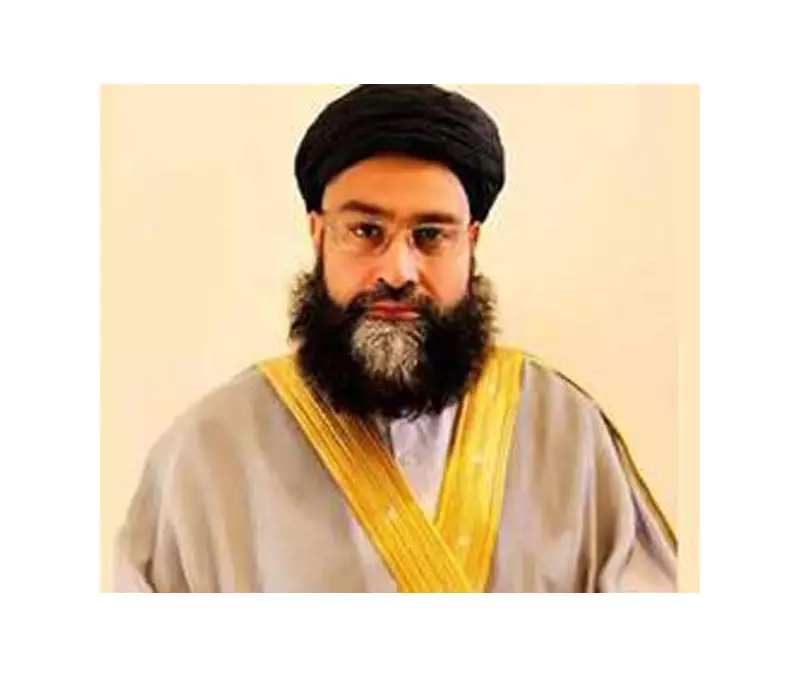
Prominent religious scholar and former special representative, Maulana Tahir Ashrafi, has issued a strong rebuttal to recent claims circulating in Indian media regarding Pakistan's internal security situation. He categorically denied any divisions within the nation's defense apparatus, emphasizing that the country stands united against external threats.
Dismissing False Narratives
In a clear and forceful statement made on Sunday, Ashrafi addressed what he termed as "Indian propaganda" designed to create an illusion of weakness. He stated that such reports, which suggested internal strife impacting Pakistan's defensive capabilities, were entirely baseless and fabricated. "The defense of Pakistan is strong and united," Ashrafi declared, leaving no room for ambiguity about the nation's readiness.
He highlighted that the Pakistani people, its political parties, and all state institutions are seamlessly aligned when it comes to matters of national security and sovereignty. This unity, he argued, serves as the bedrock of the country's resilience.

A Stern Warning to Adversaries
Ashrafi did not mince words when directing a message towards those who might perceive Pakistan as vulnerable. He issued a stern warning that any miscalculation or aggressive move based on these false narratives would be met with a devastating response. "The entire nation is ready to respond to any aggression," he asserted, underscoring the collective will to defend the homeland.
His comments reflect a broader sentiment of national resolve, often echoed by military and civilian leadership, especially in the context of regional tensions and persistent misinformation campaigns.
Call for Political Unity Through Dialogue
Beyond addressing external threats, Maulana Tahir Ashrafi also turned his attention to the domestic political landscape. He reiterated his consistent appeal for political harmony and dialogue among all stakeholders within Pakistan. Ashrafi advocated for the continuation of the "reconciliation policy" as the only viable path forward for sustainable political stability.
In a significant recommendation, he proposed the immediate convening of an All Parties Conference (APC). The purpose of this conference, according to Ashrafi, would be to foster a unified national agenda and to collectively address the myriad challenges facing the country. He believes that such internal unity is paramount to strengthening Pakistan's position on the world stage and negating any negative perceptions about its internal cohesion.
"Political stability is key to national security," Ashrafi implied, connecting the dots between domestic politics and the country's overall defensive posture. His dual-focus statement serves both as a message of deterrence to external elements and a plea for consensus among the nation's political leadership.