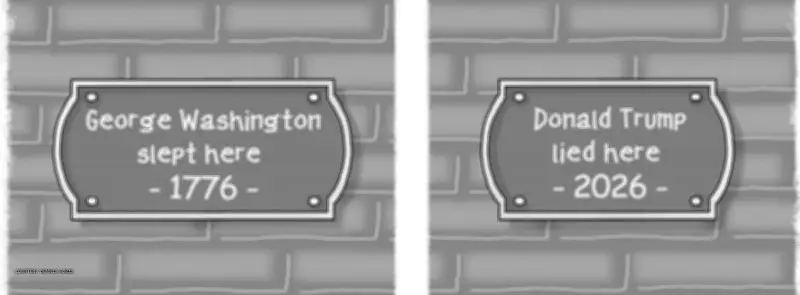
A controversial cartoon published in a leading Pakistani newspaper has sparked a fierce debate about the limits of press freedom in the country. The cartoon, which appeared on the editorial page of the daily, depicts a prominent political figure in a satirical light, drawing immediate backlash from the politician's supporters and praise from free speech advocates.
The Cartoon and Immediate Reactions
The illustration, created by a well-known editorial cartoonist, shows the political leader with exaggerated features and a caption that critics say mocks his policies and personal life. Within hours of publication, social media erupted with polarized views. The politician's party issued a statement condemning the cartoon as "malicious and disrespectful," demanding an apology and legal action against the newspaper and the cartoonist.
Press Freedom vs. Defamation Laws
Legal experts have weighed in, noting that Pakistan's constitution guarantees freedom of speech and expression, but subject to reasonable restrictions. The country's defamation laws, including the Pakistan Penal Code and the Prevention of Electronic Crimes Act, criminalize defamation and cyber harassment. "The line between satire and defamation is often blurred," said legal analyst Ayesha Khan. "While cartoons are a form of artistic expression, they can cross into personal attack if they target an individual's character rather than their policies."

Support from Press Clubs and Activists
Press clubs in major cities, including Karachi and Lahore, have expressed solidarity with the cartoonist. In a joint statement, the Pakistan Federal Union of Journalists (PFUJ) said: "We stand firmly with our colleague, who has exercised his right to satire, a cornerstone of democratic discourse. We urge the government to refrain from any action that could stifle press freedom." The Human Rights Commission of Pakistan (HRCP) also called for restraint, emphasizing that "a healthy democracy requires space for dissent and humor."
Historical Context of Cartoon Controversies
This is not the first time a cartoon has stirred controversy in Pakistan. In 2015, a cartoon mocking a political dynasty led to protests and a temporary ban on the publication. More recently, in 2023, a cartoon about military intervention sparked a debate on red lines in media. According to a 2024 report by Reporters Without Borders, Pakistan ranks 150th out of 180 countries in press freedom, with journalists often facing threats and legal harassment.
Impact on the Newspaper and Cartoonist
The newspaper has not yet issued an official response but sources indicate that it is reviewing its editorial policy. The cartoonist, who has requested anonymity due to safety concerns, told a colleague: "I drew this cartoon to highlight what I see as hypocrisy in our politics. I never intended to hurt anyone personally. If I have crossed a line, I apologize, but I stand by my right to criticize."
Public Opinion and Social Media Trends
A Twitter poll conducted by a local news outlet showed that 62% of respondents supported the cartoonist, while 38% found the cartoon offensive. Hashtags such as #FreeSpeech and #RespectOurLeaders trended simultaneously, reflecting the deep divide. On Facebook, pages dedicated to the issue have garnered thousands of comments, with many users calling for a balanced approach that respects both artistic expression and the dignity of public figures.
Government's Stance
The Ministry of Information has not issued a formal statement, but a senior official speaking on condition of anonymity said: "We are monitoring the situation. While we uphold the freedom of the press, we also have a duty to maintain public order and protect individuals from undue harassment." The official hinted that the government may consider amending the defamation laws to provide clearer guidelines for satirical content.
International Reactions
International press freedom organizations have also chimed in. The Committee to Protect Journalists (CPJ) called on Pakistani authorities to "refrain from using defamation laws to silence satire." The International Federation of Journalists (IFJ) urged the government to "protect the rights of cartoonists, who play a vital role in holding power to account."

Conclusion: A Test for Democracy
This controversy underscores the ongoing struggle in Pakistan to balance freedom of expression with respect for individuals and institutions. As the debate continues, the outcome will likely set a precedent for how far satire can go in the country's media landscape. For now, the cartoon remains at the center of a national conversation about the limits of humor in a democracy.