Political Cartoon Ignites National Debate on Government Policies
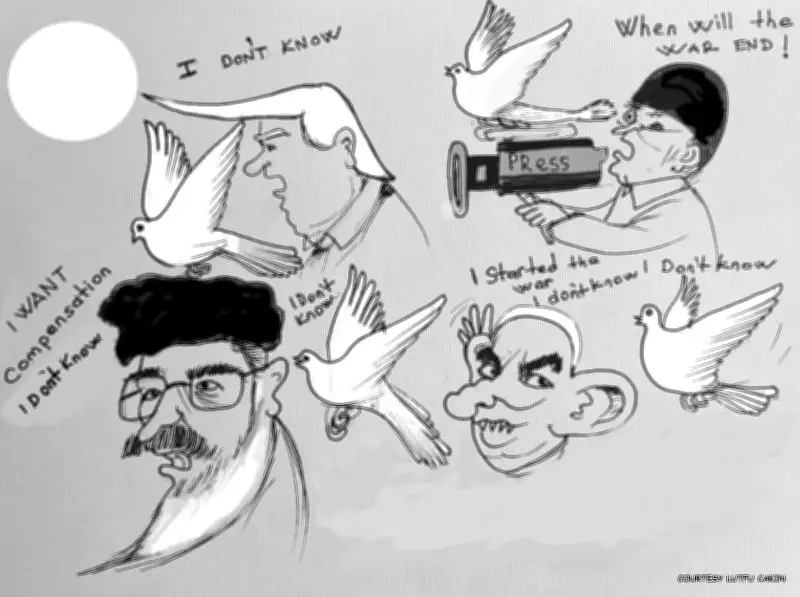
A recent political cartoon published in a leading Pakistani newspaper has become the center of a heated national debate, drawing attention to public perceptions and critiques of the current government's policies. The cartoon, which features satirical imagery and sharp commentary, has resonated widely across social media platforms and public forums, sparking discussions on governance and accountability.
Content and Themes of the Controversial Cartoon
The cartoon depicts symbolic figures representing key government officials and policies, using humor and irony to highlight perceived shortcomings and challenges. It addresses issues such as economic management, inflation, and diplomatic relations, with visual metaphors that have been interpreted as critical of the administration's approach. The artwork has been praised by some for its boldness and criticized by others for its perceived bias, reflecting the polarized political climate in Pakistan.
Public and Political Reactions to the Publication
Reactions to the cartoon have been mixed, with various stakeholders weighing in on its impact. Supporters of the government have condemned the cartoon as misleading and disrespectful, arguing that it undermines efforts to address national issues. In contrast, opposition groups and civil society activists have lauded it as a powerful tool for free expression and public discourse, emphasizing the role of media in holding leaders accountable. The debate has extended to discussions on press freedom and the boundaries of satire in political commentary.

Broader Implications for Media and Governance in Pakistan
This incident underscores the ongoing tensions between media freedom and government oversight in Pakistan. It raises questions about the role of political cartoons in shaping public opinion and the potential for such content to influence policy debates. As the conversation continues, it highlights the importance of a vibrant and independent media landscape in fostering democratic dialogue and transparency. The cartoon's widespread circulation suggests a growing public appetite for critical engagement with governance issues, signaling a dynamic shift in how citizens interact with political narratives.