PTI Internal Division Emerges Over Hazara Province Resolution
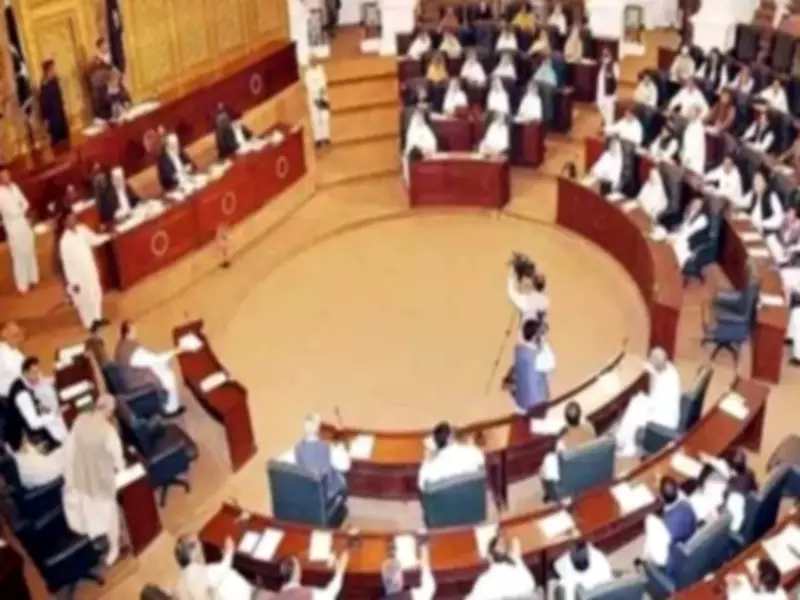
The Pakistan Tehreek-e-Insaf (PTI) is currently grappling with a significant internal split concerning a resolution to establish Hazara as a separate province. This development has brought to light deep-seated political tensions within the party, as members express divergent views on the matter. The proposal, which aims to address long-standing regional demands for autonomy, has sparked heated debates among PTI leaders and supporters alike.
Background of the Hazara Province Demand
The call for Hazara province is not a new phenomenon; it has been a persistent issue in Pakistani politics for years. Hazara, a region in Khyber Pakhtunkhwa (KPK), has seen various movements advocating for its separation to form a distinct administrative unit. Proponents argue that this would lead to better governance, improved resource allocation, and enhanced representation for the local population. However, the resolution has always been a contentious topic, often met with resistance from different political quarters.
PTI's Internal Conflict and Political Implications
Within PTI, the split over the Hazara province resolution reflects broader challenges in balancing regional aspirations with national unity. Some party members strongly support the resolution, viewing it as a step towards fulfilling electoral promises and addressing the grievances of Hazara residents. They emphasize that creating a new province could foster development and reduce disparities in the region.

On the other hand, opponents within PTI caution against the potential fragmentation of KPK and warn of possible administrative and financial burdens. They argue that such a move might set a precedent for other regions to demand similar separations, potentially destabilizing the provincial structure. This internal discord has led to public disagreements, with key figures issuing conflicting statements, thereby highlighting the party's struggle to present a unified stance.
Impact on Regional Politics and Public Sentiment
The PTI split over the Hazara province resolution has significant implications for regional politics in Khyber Pakhtunkhwa. It has reignited discussions on federalism and provincial rights in Pakistan, drawing attention from other political parties and civil society groups. Public sentiment in Hazara is mixed, with many residents hopeful for change, while others remain skeptical about the feasibility and timing of such a proposal.
Moreover, this issue could affect PTI's electoral prospects in the region, as the party risks alienating voters if it fails to resolve its internal differences. The ongoing debate underscores the complex interplay between local demands and national political strategies, making it a critical test for PTI's leadership and cohesion.
Future Outlook and Possible Resolutions
Looking ahead, the resolution of this internal split will likely depend on PTI's ability to engage in constructive dialogue and find a middle ground. Options may include forming a committee to study the proposal in detail, consulting with stakeholders in Hazara, or seeking consensus through parliamentary channels. The outcome could influence not only PTI's internal dynamics but also the broader political landscape regarding provincial autonomy in Pakistan.
In conclusion, the PTI split over the Hazara province resolution serves as a reminder of the ongoing challenges in Pakistani politics related to regional representation and unity. As the debate continues, it will be crucial to monitor how PTI navigates this issue and what it means for the future of Hazara and KPK.