An Associated Press investigation has found that the Trump administration has separated dozens of children from their parents for a second time, despite a landmark legal settlement designed to keep families together. The re-separations have occurred under the president's second term, as mass deportations intensify.
Ederson's Ordeal: A Second Separation
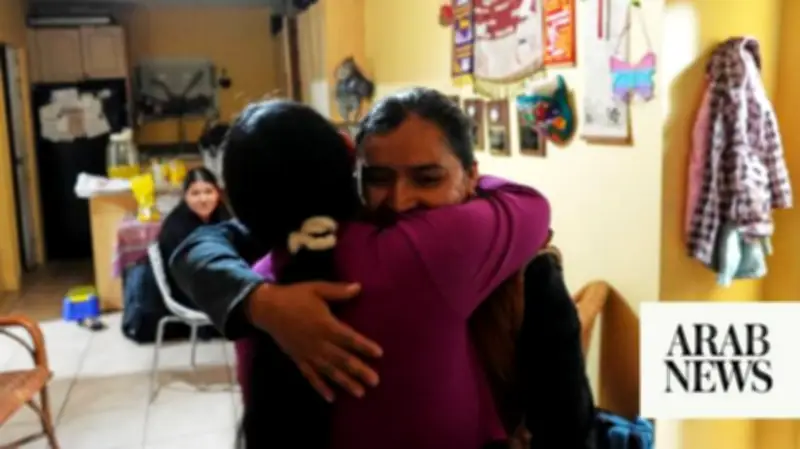
Eleven-year-old Ederson Galicia Alva was first taken from his mother in 2018 under the initial family separation policy. After being reunited, he and his mother were separated again last June. Federal agents pulled his mother aside at Miami airport, triggering panic. He later joined her in Guatemala, enduring 11 months in indigenous highlands before a federal judge ordered their return to Florida last week.
Government Actions Despite Legal Protections
AP's investigation reveals that immigration officials have detained and deported parents covered by the Ms. L class action settlement, which bans most family separations until 2031. Some parents were deported even after officials learned they were legally protected. Lee Gelernt, ACLU attorney, stated, 'These children have suffered enough without re-traumatizing them.'

Mass Deportation Push
Under Trump's second term, the administration aims to deport over 1 million people annually. Federal agents have detained parents of tens of thousands of children, often forcing families to choose between leaving children behind or deportation together.
Impact on Families
Mirsy Maricela Alva López, Ederson's mother, was stopped near Mar-a-Lago while heading to work. She was detained, transferred to ICE custody, and deported to Guatemala. Her children were later sent to join her. They lived in a small adobe home, and Ederson struggled in a Spanish-language school, missing his Florida friends.
Legal and Advocacy Response
The ACLU has filed motions regarding detained class members. Some parents have been released but remain under monitoring. Attorneys say funding for legal services has been cut, and families face barriers to accessing asylum and other benefits. The administration has not committed to extending support contracts.
As of late May, Alva López and her children were allowed to return to Florida on humanitarian parole for just two weeks, leaving their future uncertain.