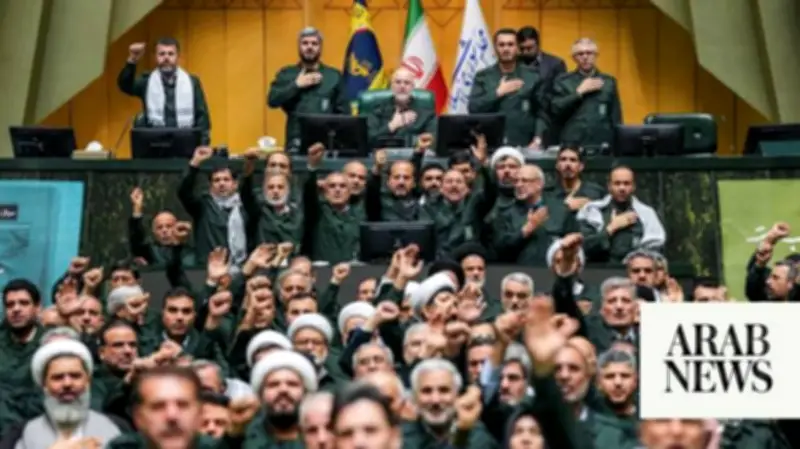
Iran's Revolutionary Guards on Wednesday downplayed the likelihood of a return to war with the United States, while emphasizing the Islamic republic's readiness to counter any aggression. The statement followed accusations by Iran that the US had violated the ceasefire in place since April, and a warning of retaliation after the most serious strikes since the truce took effect.
Low Possibility of War
"The possibility of war is low because of the enemy's weakness, the armed forces are lying in wait with full magazines," said Mohammad Akbarzadeh, deputy political chief of the Islamic Revolutionary Guard Corps Navy, as quoted by Tasnim news agency. He warned, "Do not doubt that we will turn the area from Chabahar to Mahshahr into a graveyard for aggressors," referring to locations along Iran's southern coast.
Ongoing Tensions and Negotiations
Iran and the US have been engaged in a war of words while negotiating a deal mediated by Pakistan. With no clear winner in the war, neither side appears ready to compromise on key issues such as the Strait of Hormuz and Iran's nuclear program. Iran blockaded the vital waterway in retaliation for the war, and the US responded with a counterblockade of Iranian ports.

Stock markets showed mixed results on Wednesday, reflecting guarded optimism about a potential deal.
Ceasefire Violations
Iranian state media reported blasts in Bandar Abbas near the Strait of Hormuz, and the Revolutionary Guards said on Tuesday they downed a US drone and fired at an F-35 fighter jet. The Iranian foreign ministry stated, "The US terrorist army, continuing its illegal and unjustified actions since the ceasefire … has, in the past 48 hours, committed a gross violation of the ceasefire in the Hormozgan region." Tehran vowed to respond to any evil without hesitation.
Earlier, CENTCOM spokesman Captain Tim Hawkins announced US strikes, saying, "US forces conducted self-defense strikes in southern Iran today to protect our troops from threats posed by Iranian forces." Targets included missile launch sites and boats attempting to emplace mines.
Supreme Leader's Statement
In a statement marking Eid Al-Adha, Iran's supreme leader Ayatollah Mojtaba Khamenei declared that Washington is losing influence in the Middle East and warned regional countries against hosting US military bases. He said the US "in addition to no longer having any safe haven in the region for aggression and the establishment of military bases, is moving further and further away from its former position with each passing day."
Despite the strikes, Secretary of State Marco Rubio said on Tuesday that a peace deal remained within reach, insisting that the Strait of Hormuz would be reopened "one way or the other."