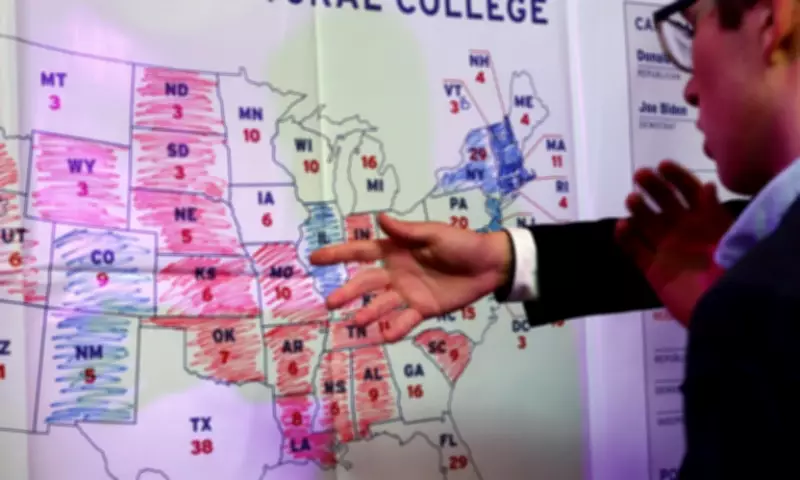
A decades-long plan to abolish the Electoral College, a system that gives a handful of narrowly-divided states the power to decide presidential elections, may finally pay off in the 2026 midterms. The National Popular Vote Interstate Compact, which has been quietly gaining support in blue states since 2006, aims to bypass the need for a constitutional amendment by having states pledge their electoral votes to the winner of the national popular vote. Currently, states controlling 222 of the required 270 electoral votes have signed on, and a blue wave in the upcoming midterms could push Democrats to power in key swing states like Wisconsin, Michigan, Arizona, Pennsylvania, Nevada, and New Hampshire, potentially reaching the threshold for the 2028 election.
How the Compact Works
The compact is an agreement among states to award their electoral votes to the candidate who wins the nationwide popular vote, but only if enough states join to total at least 270 electoral votes. Once that threshold is met, the winner of the popular vote automatically secures the presidency, rendering state-by-state outcomes irrelevant. Nearly all blue-leaning states have joined, with Virginia being the most recent addition. The remaining 48 electoral votes needed are concentrated in swing states that could flip Democratic control in the midterms.
Historical Context and Challenges
The push for Electoral College reform has a long history, with past attempts failing due to political hurdles. The 2000 and 2004 elections, where narrow margins in single states decided the outcome, revived interest. However, the compact faces legal, practical, and political questions. Critics, including Yale law professor Akhil Reed Amar, warn that without a national framework to administer the popular vote, disputes over recounts, voter eligibility, and state-level rule differences could arise. Additionally, the lack of Republican support raises concerns about partisan backlash and potential reprisals, such as states backing out of the compact after a change in political control.

Public Support and Future Prospects
Despite these challenges, public opinion strongly favors a popular vote system, with polls showing 63% of Americans supporting it. Reformers argue that once implemented, the system will gain broad acceptance, much like other social changes. The 2026 midterms will be a critical test, as Democrats aim to secure the necessary state governments to finalize the compact. If successful, the 2028 election could be the first under a national popular vote, fundamentally changing how presidents are elected in the United States.