The Pakistan Peoples Party (PPP) has stepped forward with a significant proposal aimed at bolstering the federal government's financial resources. This move, confirmed by party officials, involves offering a structured plan for revenue generation and sharing, marking a pivotal moment in the ongoing political and economic discourse.
The Core of the PPP Proposal
While the precise technical details of the revenue mechanism remain under discussion, the core intent is clear: to provide tangible support to the federal administration's efforts in stabilizing the national economy. The offer underscores the PPP's stated commitment to national interest over partisan politics. This initiative is seen as a practical attempt to foster greater inter-governmental cooperation between the center and the provinces, particularly Sindh where the PPP holds power.
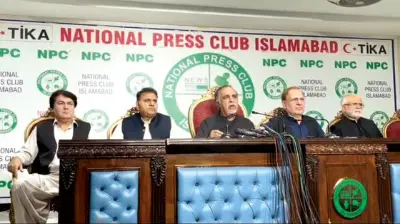
The proposal was formally communicated to the relevant federal authorities, initiating a phase of review and potential negotiation. This development comes at a time when the federal government is actively exploring all avenues to enhance its revenue streams and manage pressing fiscal deficits. The PPP's move is being interpreted not just as a policy suggestion but as a strategic political gesture indicating a willingness to engage constructively on critical national issues.

Political Implications and Reactions
This offer from a major opposition party carries substantial political weight. It has the potential to alter the dynamics of federal-provincial relations, setting a precedent for collaborative problem-solving. Analysts suggest that such cooperation could pave the way for more unified economic policies, which are often hampered by political disagreements.
The response from the federal government and other political stakeholders is eagerly awaited. Acceptance or constructive engagement with the proposal could signal a new era of political reconciliation focused on economic recovery. Conversely, any dismissal could deepen existing political fault lines. The proposal also places the spotlight on the Sindh government's role as a potential partner in national fiscal strategy, highlighting its administrative experience in revenue matters.
Broader Context and Future Outlook
The revenue offer is situated within a broader context of economic challenges facing Pakistan, including inflation, external debt, and the need for sustainable growth. A successful collaboration on revenue generation could serve as a model for addressing other complex issues requiring multi-tier governmental alignment.
The coming days will be crucial as technical teams from both sides likely delve into the specifics of the plan. Key questions regarding the implementation mechanism, transparency, and equitable distribution of any generated revenue will need clear answers. The nation will be watching to see if this proposal translates from a headline into a workable policy that strengthens the country's financial footing.
Ultimately, the PPP's revenue-sharing offer represents more than just numbers on a page; it is a test of political maturity and a gauge of whether competing parties can find common ground for the sake of national economic stability.