Middle East Turmoil Highlights Western World Order Decline
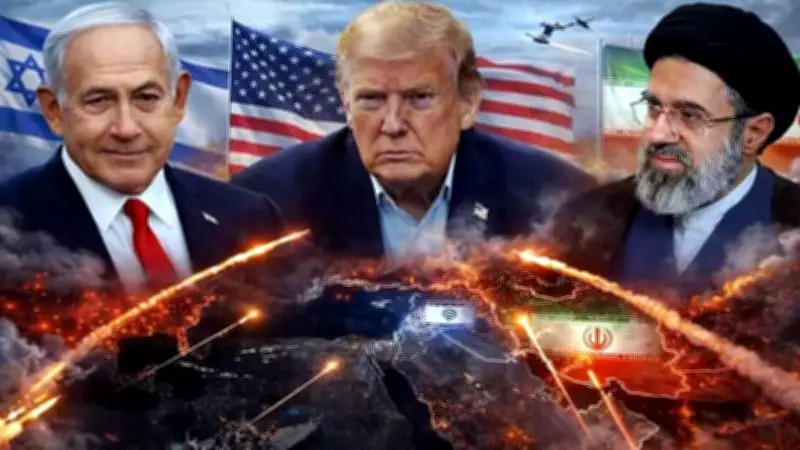
The persistent chaos and instability across the Middle East region are now widely interpreted as a significant signal pointing toward the gradual decline of the Western-led global order that has dominated international affairs for decades. This evolving situation reflects a broader transformation in geopolitical dynamics, where traditional power centers are facing challenges from emerging forces and regional actors asserting greater autonomy.
Shifting Geopolitical Landscape
Analysts observe that the current unrest in Middle Eastern nations underscores a fundamental shift away from the post-Cold War framework where Western powers, particularly the United States and European allies, maintained predominant influence over global governance and security arrangements. The inability to effectively manage or resolve conflicts in this strategically vital area has exposed limitations in Western diplomatic and military capabilities, eroding confidence in their leadership role on the world stage.
This development coincides with the rise of alternative power centers, including China and Russia, which are increasingly positioning themselves as counterweights to Western hegemony. These nations have been actively engaging with Middle Eastern countries through economic partnerships, security cooperation, and diplomatic initiatives, offering different models of international engagement that challenge Western approaches.

Implications for Global Stability
The diminishing Western influence in the Middle East carries profound implications for global stability and the future architecture of international relations. As Western-led institutions and alliances face questions about their relevance and effectiveness, there is growing uncertainty about how emerging conflicts will be managed and what new frameworks might replace existing structures.
Regional powers in the Middle East are also adapting to this changing environment, pursuing more independent foreign policies and forming alliances based on pragmatic interests rather than ideological alignment with Western blocs. This trend further complicates efforts to establish coherent international responses to regional crises, potentially leading to more fragmented and competitive geopolitical landscape.
Broader Context of World Order Transformation
The Middle East situation should be understood within the broader context of a transforming world order characterized by:
- Multipolarity replacing unipolar Western dominance
- Questioning of liberal internationalist principles
- Renewed emphasis on sovereignty and non-interference
- Economic decoupling and strategic competition between major powers
This transition period presents both risks and opportunities for global governance. While it may lead to more diverse perspectives in international decision-making, it also increases the potential for miscalculation and conflict as different value systems and interests collide without clear mechanisms for resolution.
The ongoing Middle East chaos thus serves as a powerful indicator of these deeper structural changes in the international system, suggesting that the era of Western primacy is giving way to a more complex and contested global order whose ultimate shape remains uncertain.