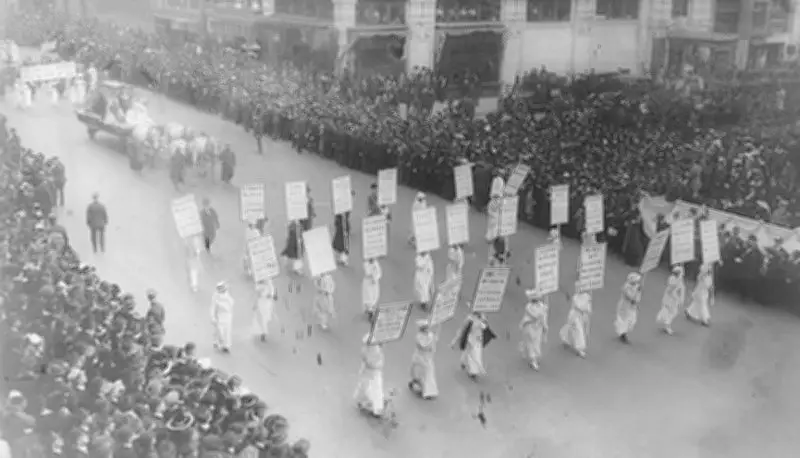
The Women's Suffrage Movement stands as a transformative chapter in global history, characterized by relentless advocacy for women's right to vote. This movement challenged entrenched societal norms and political structures, spanning from the late 19th into the early 20th centuries. Suffragists and suffragettes across the world united in their demand for equality and political representation.
Key Figures and Their Contributions
Led by courageous figures such as Susan B. Anthony in the United States and Emmeline Pankhurst in the United Kingdom, the movement gained momentum through organized marches, protests, and civil disobedience. These leaders endured arrests, hunger strikes, and public scorn, yet their resilience never wavered. Their efforts were instrumental in securing voting rights for women.
Global Impact and Legacy
The culmination of these struggles in the United States was the ratification of the 19th Amendment in 1920, which granted women the right to vote. This victory inspired similar movements worldwide, leading to progressive changes in many nations. The Women's Suffrage Movement not only reshaped democratic processes but also fostered a broader conversation about gender equality and human rights.

In cities like Karachi, the spirit of this movement resonates today, as activists continue to fight for women's rights and political participation. The legacy of the suffragists serves as a reminder of the power of collective action and the ongoing journey toward true equality.