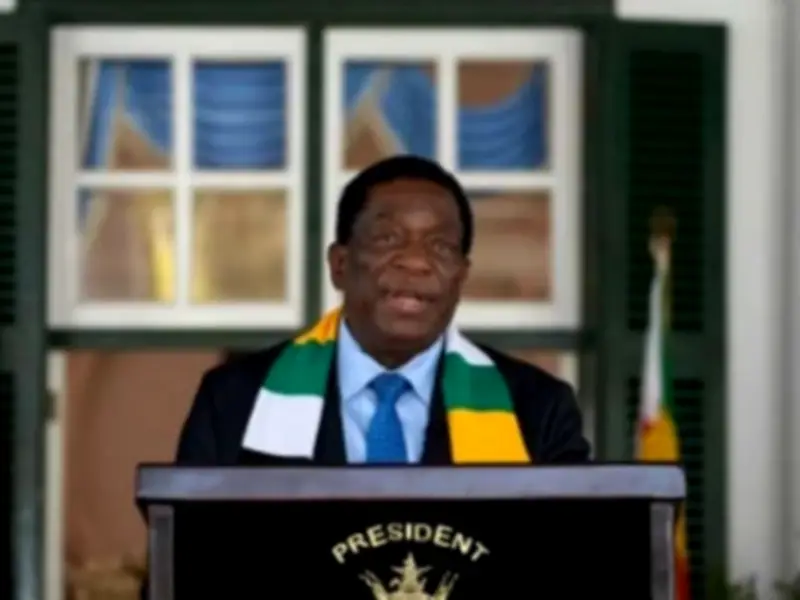
Zimbabwe's High Court in Harare has acquitted prominent journalist Faith Zaba, who spent nearly a year on trial over a satirical article critical of President Emmerson Mnangagwa, her legal team confirmed on Monday. The ruling, issued in chambers on Friday, quashed charges of undermining presidential authority, marking a significant victory for press freedom in the country.
Case Background
Faith Zaba, editor of the Zimbabwe Independent, was arrested in July 2025 after publishing a column titled "When You Become a Mafia State" in the newspaper's satirical muckraker section. Prosecutors alleged the article was intended to incite hostility towards the 83-year-old president, leading to charges under laws criminalizing the undermining of presidential authority. The Zimbabwe Lawyers for Human Rights (ZLHR), which represented Zaba, announced the acquittal.
Legal and Personal Ordeal
Zaba's legal proceedings included detention at the notorious Chikurubi maximum security prison on the outskirts of Harare and numerous court appearances over nearly a year. The High Court's decision to quash the charges was delivered in chambers, with parties awaiting the formal written order. ZLHR executive director Bellinda Chinowawa told AFP, "The decision gives a lot not just for press freedoms but individual freedoms as well. The police had overstretched the limits of the law."

Reaction and Implications
Zaba expressed gratitude on social media platform X, writing, "My deepest gratitude to everyone who stood with me, spoke out, prayed, advocated and refused to let me walk alone." Rights groups and opposition parties have accused Mnangagwa's government of using criminal laws to silence dissent, an allegation the government denies. In a related case, another high-profile journalist, Blessed Mhlanga, was arrested for inciting violence through an interview with a ruling party critic who criticized Mnangagwa and called for his resignation.
The acquittal is seen as a rare judicial check on executive overreach, though concerns remain about the broader climate for press freedom in Zimbabwe. The ZLHR noted that the ruling reinforces the importance of judicial independence in protecting fundamental rights.