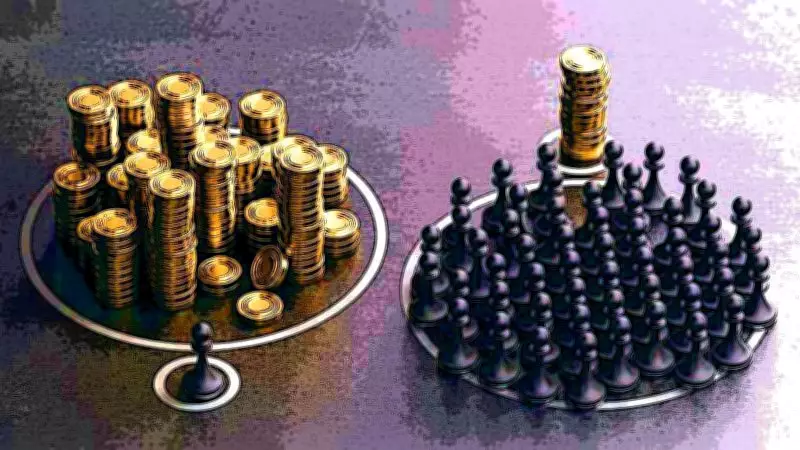
A recent report has brought to light the stark class disparities in Pakistan, where the elite continue to enjoy lavish feasts while the poor are served austerity. The findings have sparked widespread debate about social justice and economic inequality in the country.
The Report's Findings
The report, published by a leading economic think tank, reveals that the top 10% of Pakistan's population consumes more than 40% of the nation's total food expenditure, while the bottom 40% struggles to meet basic nutritional needs. The data highlights a growing gap between the rich and the poor, with the wealthy indulging in extravagant dining experiences and the poor facing rising food prices and reduced access to essential goods.
Government Policies Under Scrutiny
The report also criticizes government policies that have disproportionately benefited the affluent. Tax breaks for luxury imports and subsidies for high-end agricultural products have been identified as key factors exacerbating the divide. Meanwhile, austerity measures, including cuts to food subsidies and social welfare programs, have placed an additional burden on low-income households.

Impact on Public Health
Nutritionists warn that the disparity is having severe consequences for public health. Malnutrition rates have soared in impoverished communities, while obesity and diet-related diseases are on the rise among the wealthy. The report calls for urgent policy interventions to address the root causes of inequality and ensure food security for all citizens.
Public Reaction
The findings have sparked outrage on social media, with many Pakistanis calling for a more equitable distribution of resources. Activists have organized protests in major cities, demanding that the government prioritize the needs of the poor over the interests of the elite. The debate has also reignited discussions about the role of wealth in politics and the need for systemic reforms.
Looking Ahead
As the country grapples with economic challenges, the report serves as a stark reminder of the urgent need to address inequality. Policymakers are now under pressure to implement measures that promote social justice and ensure that the benefits of economic growth are shared more evenly across society.