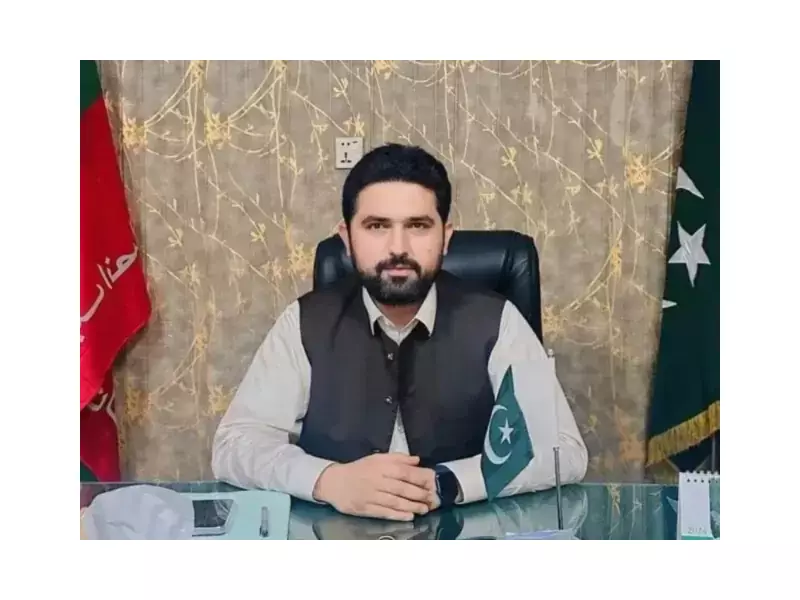
In a significant policy statement, Khyber Pakhtunkhwa Chief Minister Ali Amin Gandapur has firmly ruled out the possibility of launching any new military operations within the province. The announcement marks a clear departure from past counter-terrorism strategies and underscores the provincial government's commitment to seeking alternative solutions to the enduring challenge of militancy.
A Call for Dialogue Over Force
Chief Minister Gandapur articulated his stance during a high-level meeting held in Peshawar on Tuesday. The gathering, which reviewed the province's overall law and order situation, became a platform for the CM to outline his administration's preferred approach. Gandapur emphasized that the use of force would not be his government's primary tool for addressing security threats.
Instead, he championed the path of political engagement and dialogue. The Chief Minister argued that sustainable peace can only be achieved by tackling the root causes of unrest through discussion and negotiation. This position directly challenges the long-standing paradigm of large-scale military offensives in the tribal districts and other troubled areas of Khyber Pakhtunkhwa.

Protecting Citizens and Upholding Rights
Central to Gandapur's argument was the protection of ordinary citizens. He expressed a firm belief that the people of Khyber Pakhtunkhwa have suffered immensely from the collateral damage of past conflicts. The new government's foremost duty, he declared, is to safeguard the lives, property, and fundamental rights of its residents.
He assured the public that his administration would not allow any actions that could displace families or disrupt civilian life under the pretext of security operations. This pledge is particularly resonant in regions that have witnessed multiple military campaigns over the last two decades, leading to significant internal displacement and infrastructural damage.
Commitment to Constitutional and Political Resolution
The Chief Minister reinforced his message by stating that all existing issues, including those related to security and militancy, must be resolved within the framework of the constitution and through political means. He positioned his government as a guardian of public welfare, committed to finding peaceful, lasting solutions.
This stance represents a critical shift in the province's counter-terrorism policy and is likely to spark extensive debate at the national level. It places the Khyber Pakhtunkhwa government in a potentially delicate position regarding coordination with federal security institutions, which have traditionally relied on military power to combat terrorist networks.
The meeting concluded with directives to relevant authorities to remain vigilant and ensure the maintenance of law and order. However, the clear instruction from the top was to explore all non-military avenues first. As the province grapples with sporadic incidents of violence, the practical implementation of this political-first doctrine will be closely watched by both supporters and critics of the new policy direction.