Ban on Four African Nationals
Libya's eastern-based government, led by Prime Minister Osama Hamad and allied with military commander Khalifa Haftar, on Tuesday issued a decree prohibiting citizens of Sudan, Eritrea, Ethiopia, and Somalia from entering Libyan territory through all land, sea, and air ports. The decision, announced in Benghazi, Libya's second-largest city, aims to reorganize the entry of foreign nationals, according to a government source who spoke to Reuters.
Exemptions and Context
The ban exempts accredited diplomatic and consular mission members and their families from the four countries, as well as workers in education, medical, and allied health professions who obtain necessary approvals and valid work contracts from relevant authorities. The eastern government operates in parallel to the internationally recognized Government of National Unity (GNU) in Tripoli, led by Prime Minister Abdulhamid Dbeibah, who came to power through a UN-backed process in 2021.
Libya's Role as Migration Hub
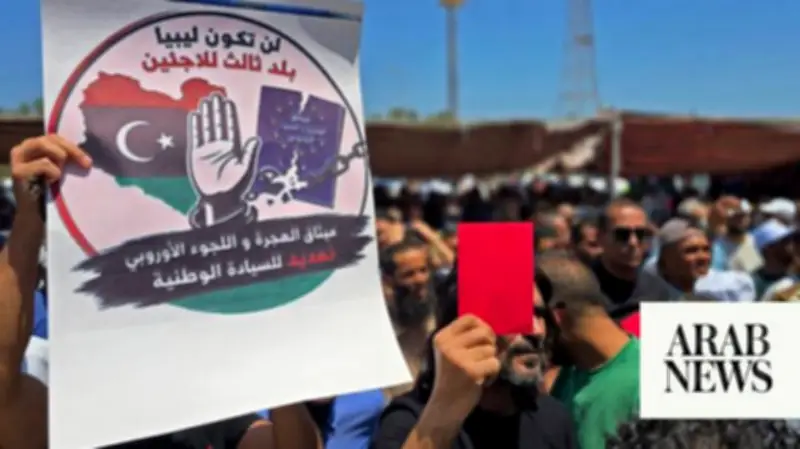
Since the fall of dictator Muammar Qaddafi in 2011 following a NATO-backed uprising, Libya has become a major transit route for migrants fleeing conflict and poverty in Africa and the Middle East, seeking to reach Europe across the Mediterranean. Factional conflict has split the country since 2014, with the east under Haftar's control and the west under the GNU. According to UN data collected early this year, Libya hosts more than 900,000 migrants.