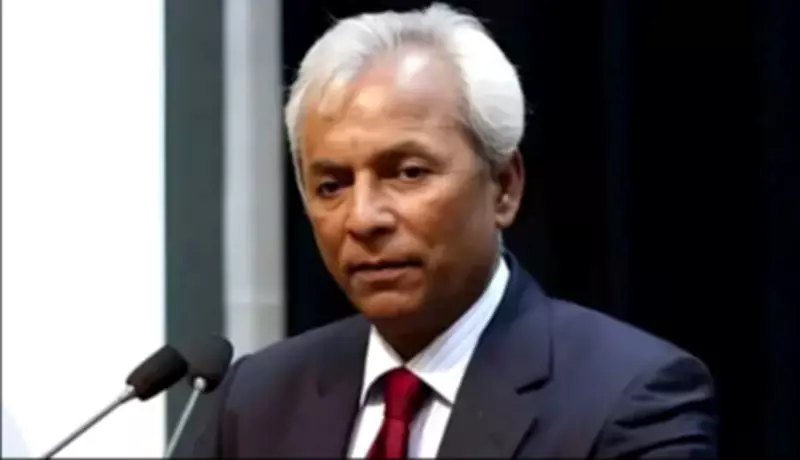
Nehal Hashmi Takes Oath as 35th Governor of Sindh in Formal Ceremony
Nehal Hashmi is scheduled to be sworn in on Friday as the 35th governor of Sindh, marking a significant political transition in the province. The oath of office will be administered by Zafar Rajput, the chief justice of the Sindh High Court, during a ceremony anticipated to draw a diverse array of attendees. Federal ministers, including Murad Ali Shah, provincial ministers, representatives from the Bar Council, leaders of the Pakistan Muslim League (N), and individuals from various sectors of society are expected to participate in this event.
Governor-Designate Pledges Inclusive Service and Public Commitment
In the lead-up to the ceremony, governor-designate Nehal Hashmi has publicly articulated his dedication to serving all segments of society without any form of discrimination. He emphasized his commitment to transforming his extensive political experience into tangible public service, aiming to address the needs and concerns of the people of Sindh. This resolve underscores his vision for a governance approach that prioritizes inclusivity and responsiveness to community issues.
Presidential Approval and Constitutional Process for Appointment
The appointment process was formalized on Thursday when President Asif Ali Zardari approved Nehal Hashmi as the new governor of Sindh. This approval was granted based on the advice of Prime Minister Shehbaz Sharif, in accordance with Articles 48 and 101 of the Constitution of Pakistan, which outline the procedures for gubernatorial appointments. Following the approval, President Zardari extended his congratulations to Nehal Hashmi, offering best wishes for his tenure in this pivotal role.

This development occurs amidst other regional activities, such as road closures in Karachi for Youm-e-Quds rallies, highlighting the dynamic political and social landscape in Sindh. The ceremony symbolizes a new chapter in provincial leadership, with expectations for collaborative efforts between federal and provincial authorities to enhance governance and public welfare in the region.