Pakistan's National Disaster Management Authority (NDMA) issued a warning on Saturday about an increased risk of glacial lake outburst floods (GLOFs) in the country's mountainous northern regions through the first week of July 2026. The alert comes as soaring temperatures accelerate snow and ice melt, prompting authorities to prepare evacuations, monitor vulnerable areas, and restrict travel near glaciers.
Heightened Risk Due to Rising Temperatures
The NDMA stated that soaring temperatures across Gilgit-Baltistan and Khyber Pakhtunkhwa are expected to persist until the first week of July. This significant warming will substantially accelerate snow and ice melt in glaciated valleys, leading to high water levels in rivers and streams, rapid expansion of existing glacial lakes, and the potential formation of new glacial lakes due to the high volume of melted water.
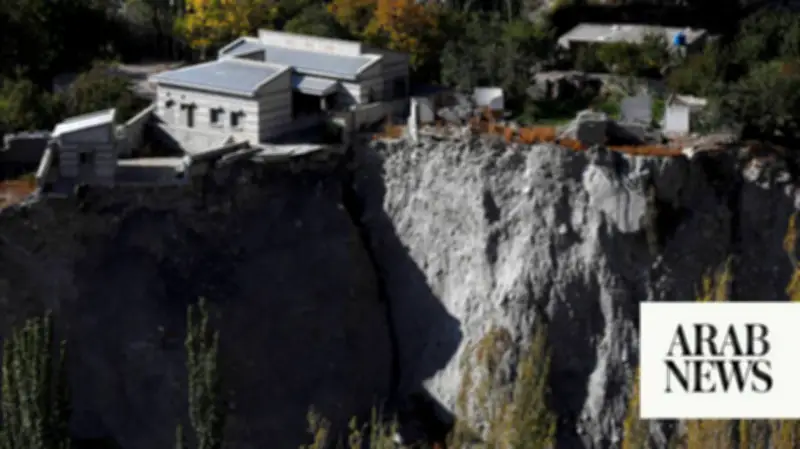
Pakistan is home to more glaciers than any other country outside the polar regions, making it especially vulnerable to GLOFs. These events are becoming more frequent as rising temperatures accelerate glacial melt. Many glacial lakes remain unstable and can suddenly burst, unleashing destructive torrents of water, mud, and debris downstream.

Government Directives and Precautionary Measures
The NDMA directed provincial and district authorities to undertake proactive monitoring and surveillance of vulnerable glacial lakes, conduct evacuation drills in at-risk communities, and ensure rescue personnel and emergency equipment remain on standby. Local administrations were also advised to launch public awareness campaigns, urging residents to watch for sudden changes in stream color, unusual grinding sounds from moving rocks, and rapidly rising water levels—all indicators of an impending GLOF event.
Tourists were advised to avoid trekking in glacier-prone areas, refrain from taking pictures or videos near glaciers, and strictly avoid going close to glacier sites to prevent any untoward eventuality.
Climate Change Context
Pakistan is one of the countries most vulnerable to climate change, despite contributing less than one percent of global greenhouse gas emissions. The country faces increasingly erratic weather patterns marked by deadly floods, prolonged droughts, record-breaking heatwaves, and accelerated glacier melt. In 2022, catastrophic floods submerged a third of the country, killed more than 1,700 people, and affected about 33 million people. Officials say climate change is increasing the frequency and intensity of extreme weather events, accelerating glacier melt while making rainfall patterns more unpredictable.
The NDMA's warning underscores the urgent need for preparedness and community awareness to mitigate the impacts of GLOFs in northern Pakistan.