Azad Kashmir Sees Widespread Shutdown Amid Protests
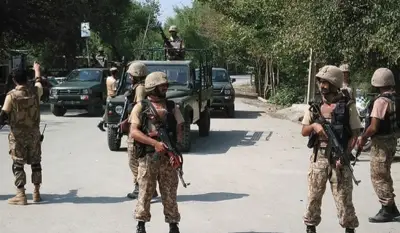
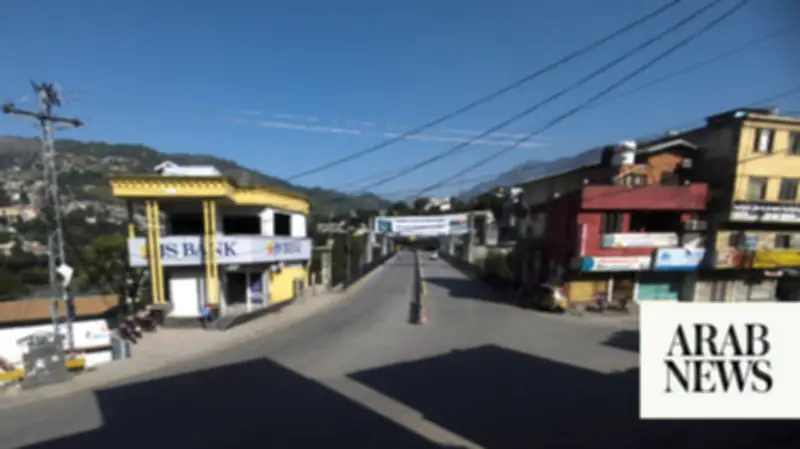
On Tuesday, cities and towns across Azad Kashmir came to a standstill after protesters clashed with security forces ahead of a general strike called by a recently banned alliance of civil society groups. The capital Muzaffarabad and other areas saw deserted streets, with only police vehicles visible for most of the day.
The unrest follows deadly clashes on Sunday night in Rawalakot, where at least 11 people were killed in confrontations between security forces and protesters. Authorities have since launched a sweeping crackdown, including the registration of sedition cases against four prominent leaders of the banned Joint Awami Action Committee (JAAC), according to a notification seen by Reuters. A bounty of 10 million rupees ($35,951) has been announced for their arrest, after the group was banned on Friday.
The JAAC had called for a region-wide strike to protest the reservation of 12 seats for refugees in the July 27 elections to Kashmir’s legislative assembly. These seats are contested by candidates who reside elsewhere in Pakistan, not in Kashmir.

Resident Zahid Amin described Muzaffarabad, the largest capital city of Azad Kashmir with a population of 550,000, as completely deserted and utterly lifeless. Every shop, market, lane, street, and bazaar remains shut.
Amnesty International condemned the violent and sweeping crackdown on protests in Pakistan-administered Jammu and Kashmir, including an Internet shutdown, mass arbitrary arrests, and deadly use of force, calling it a continuation of an alarming deterioration of human rights in the region.
Pakistan’s interior ministry and Kashmiri government authorities did not respond to requests for comment.
Another resident, Mohammad Aziz, urged dialogue, saying, Talk like brothers. Bring senior people from Pakistan and have them talk with these people. These people are not against Pakistan. They are just asking for their own rights.
The Himalayan Kashmir region has been divided between Pakistan and India as a disputed territory since independence in 1947. Previous mass demonstrations in the last two years led by the JAAC, protesting rising costs of flour and electricity, turned deadly after clashes between supporters and security forces.