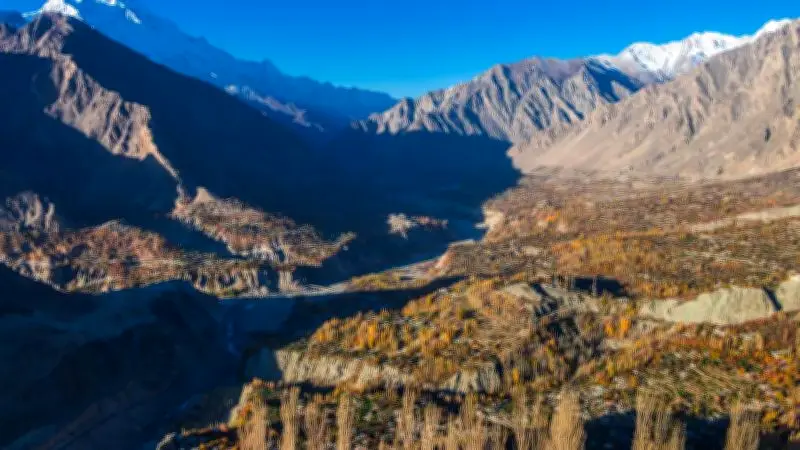
In this ultimate wilderness of the Karakoram, the landscape is so monstrously spectacular that it seems to defy human intrusion entirely, locking its secrets behind a wall of granite and ice. — John Keay, author of The Gilgit Game. To journey into the heart of Gilgit-Baltistan is to step into a living canvas where nature displays its most majestic, unyielding grandiosity. A recent expedition to Skardu and its surrounding valleys leaves an indelible impression on the soul, invoking a profound sense of awe that lingers long after the physical journey concludes.
The Natural Splendor of Gilgit-Baltistan
From the quiet serenity of Sadpara Lake to the ancient, spiritual permanence of the Buddha Rock, the landscape commands a reverence that few places on Earth can replicate. It is a region where the terrestrial meets the celestial, offering a temporary sanctuary from the mundane anxieties of modern existence. The journey reveals a mesmerizing tapestry of geographical wonders. Travelling through the Shigar Valley, one is confronted by the dramatic juxtaposition of the cold, windswept Sarfaranga Desert—where sand dunes rest against the backdrop of snow-capped peaks—and the lush, fertile expanses that lead to the historic Shigar Fort.
Further ahead in Khaplu, the capital of Ghanche District, the pristine waters of Crystal Lake and the hidden allure of the Soq Valley beyond Kachura in Skardu District present a version of untouched paradise. In Kharmang District, the cascading torrents of the Manthokha Waterfall provide a soothing soundtrack to a landscape steeped in heritage. The architectural marvel of the Khaplu Palace, meticulously preserved as a Serena Hotel, offers a glimpse into a royal past, while the Hussainabad Museum serves as a guardian of the region's rich cultural memory.

The Harsh Reality of Infrastructure Neglect
Yet, this breathtaking beauty exists in a state of sharp contradiction with the infrastructure meant to sustain it. While the destinations themselves are sublime, reaching them is an arduous, often perilous undertaking. The accessibility of these majestic valleys is severely hampered by the abysmal quality of the roads. Thoroughfares are frequently reduced to treacherous, unpaved tracks, vulnerable to landslides and structural erosion. Driving through these corridors becomes an exercise in endurance rather than a pleasurable escape. The sheer neglect of basic communication networks and transport infrastructure transforms what should be a seamless tourism experience into a grueling ordeal, exposing a glaring gap between the region's immense potential and the state's developmental priorities.
Compounding the misery of fractured transport routes is the pervasive failure of basic utility services, specifically power generation and digital connectivity. In an era where the world is inextricably linked by technology, Gilgit-Baltistan remains plagued by chronic electricity deficits and unpredictable blackouts. Whole valleys are regularly plunged into darkness, crippling local businesses and turning hotel stays into trials of discomfort. Even well-to-do hospitality outlets incur high costs by relying on diesel-run generators. Parallel to this energy crisis is the erratic nature of the internet, where communication is frequently severed by sudden disruptions and prolonged signal outages. For the traveler, this digital isolation can be jarring; for local youth and professionals attempting to engage with the modern global economy, it is an absolute economic stranglehold. This dual deprivation of power and data serves as a sobering reminder of how far removed this majestic region remains from the elementary conveniences of contemporary life.

The Warmth of the People Amidst Hardship
Strangely, the harshness of the terrain is entirely counterbalanced by the extraordinary warmth of its people. The population of Gilgit-Baltistan possesses a rare, untainted nobility. Throughout the journey, from bustling bazaars to isolated hamlets, the locals prove to be exceptionally hospitable, honest, facilitating, and open-hearted. In a world where commercial greed routinely compromises human interactions, the inhabitants of this mountainous frontier maintain an endearing integrity. Crime is virtually non-existent; honesty is a baseline norm rather than a calculated choice. Their willingness to assist weary tourists, combined with a genuine pride in welcoming outsiders, provides a profound lesson in human empathy. They give generously from their modest means, demonstrating a spiritual contentment that puts the materialistic anxieties of urban societies to shame.
Political Ambiguity and Constitutional Neglect
This hospitality becomes even more poignant when viewed against the backdrop of Gilgit-Baltistan's prolonged political ambiguity. For decades, the constitutional status of this strategically vital territory has remained in a state of perpetual limbo. Despite their unconditional patriotism and historical alignment with Pakistan, the people of Gilgit-Baltistan have been denied full constitutional integration. They exist in an administrative twilight zone—caught between local governance frameworks and a lack of formal representation in the country's main legislative bodies. This political disenfranchisement means that while they bear the responsibilities of citizenship, they are largely excluded from the core decision-making processes that shape their destiny.
This constitutional neglect is the primary driver behind the region's infrastructural paralysis. As Gilgit-Baltistan lacks a definitive, powerful voice in the federal setup, its budgetary allocations and development funds are routinely compromised. The pathetic condition of the roads is not merely a logistical failure; it is a direct consequence of a political governance model that treats a critical frontier as a secondary concern. The state willingly capitalizes on the majestic imagery of Skardu and Hunza to project a soft image of tourism to the world, yet it fails to provide the basic infrastructural foundation required to support the very people who guard these lands. It is a tragic irony that the most honest and peaceful citizens of the country are the ones left to navigate the consequences of institutional indifference.
The Call for Recognition and Development
When confronted with these realities, one wonders why the ruling elite remains blind to the strategic and moral imperative of resolving Gilgit-Baltistan's political status. Why continue to keep a fiercely loyal population at arm's length, denying them the constitutional security they have rightfully earned? The internal disquiet caused by this prolonged ambiguity represents a brewing crisis that the state can ill afford to ignore. True governance requires more than occasional economic packages or cosmetic administrative adjustments; it demands an honest confrontation with historical oversights and a genuine commitment to political empowerment.
In the final analysis, a trip to Skardu and beyond is a humbling reminder of human resilience and natural splendor. The breathtaking landscapes remind us of our insignificance in the grand scheme of creation, while the integrity of the local population provides a blueprint for a more compassionate society. However, the true beauty of Gilgit-Baltistan cannot be fully realized until the state bridges the chasm between spoken praise and practical delivery. The roads must be built, the infrastructure must be modernized, and, most importantly, the political rights of its people must be unconditionally recognized. To enjoy the blessings of this paradise without honoring its keepers is a profound disservice—one that the collective conscience of the nation must urgently resolve to correct.