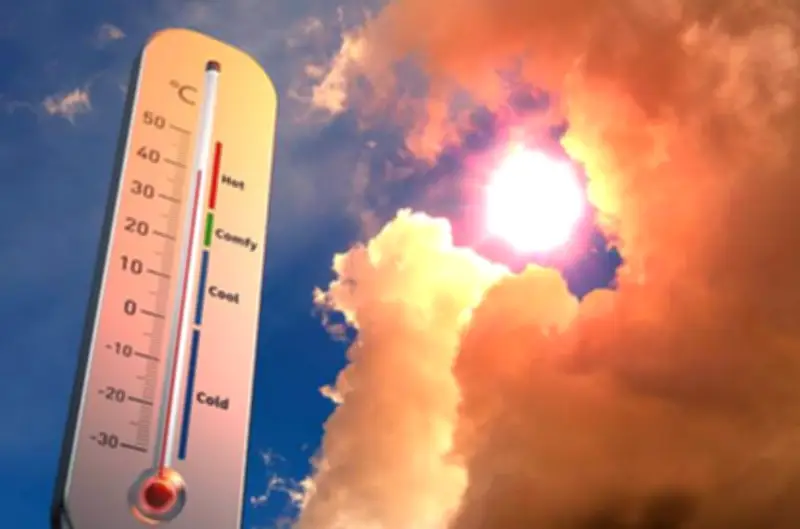
A recent study has raised alarm over Pakistan's high exposure to El Niño-driven climate change, predicting that Lahore and Faisalabad could become some of the world's hottest cities by 2050. The research highlights that rising temperatures linked to El Niño will intensify heat-related risks across the country, leading to more frequent and severe heatwaves.
Heat Risks Intensify in Major Cities
According to the findings, Lahore and Faisalabad are expected to experience increasingly extreme weather conditions in the coming decades. This could result in a sharp increase in heat-related illnesses and fatalities. The Pakistan Meteorological Department (PMD) has expressed concern over the growing frequency and severity of heatwaves, which are exacerbated by El Niño.
Urban Heat Island Effect
Chief Meteorologist Lahore Dr Zaheer Babar explained that El Niño is contributing to rising temperatures, while rapid urban growth compounds the issue. Factors such as high-rise buildings, rising vehicle emissions, declining green spaces, and the expansion of housing societies in cities like Lahore, Faisalabad, and Multan are intensifying the urban heat island effect. This leads to higher temperatures and more intense heatwaves.

Drought and Rainfall Concerns
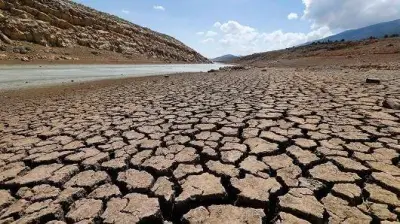
Climate experts warn that El Niño could bring below-normal rainfall to Pakistan this year, raising the risk of drought-like conditions and prolonged periods of extreme heat. Environmental expert Dr Zulfiqar Ahmad cited research showing that while global temperatures have risen by about 1.5 percent, several Pakistani cities have seen much higher increases. Karachi has experienced a 4.5 percent rise, and Lahore a 4.1 percent increase.
Mitigation Efforts Underway
The Managing Director of the Parks and Horticulture Authority (PHA) Lahore stated that several tree plantation initiatives are in progress to help reduce the impact of rising temperatures. He added that housing societies are now required to dedicate at least seven percent of their land to tree plantation before obtaining a no-objection certificate (NOC). Experts emphasize that urgent and practical measures are needed to address the growing threat of climate change and protect future generations from increasingly severe heatwaves and environmental challenges.