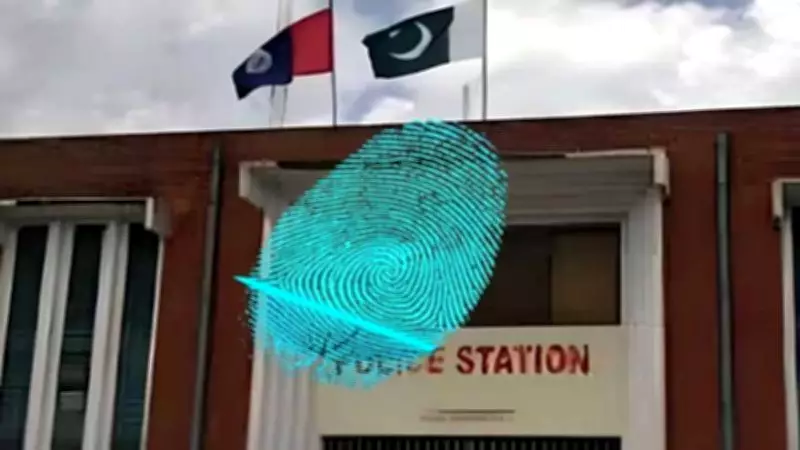
Punjab Police Implements Biometric Verification System Across All Stations
The Punjab Police has officially rolled out a comprehensive biometric verification system in all police stations across the province, marking a significant step toward modernizing law enforcement operations. This initiative, launched recently, aims to enhance security measures, streamline verification processes, and reduce instances of identity fraud within the criminal justice system.
Key Features and Implementation Details
The new system utilizes advanced biometric technology, including fingerprint and facial recognition scanners, to verify the identities of individuals involved in police matters. According to official sources, the implementation covers every police station in Punjab, ensuring uniform access to this technology. The rollout is part of a broader effort to digitize police records and improve operational efficiency.
Officials have emphasized that this system will help prevent impersonation and false identifications, which have been longstanding issues in criminal investigations. By integrating biometric data with existing police databases, the system allows for real-time verification, reducing the time required for identity checks from hours to mere minutes.

Benefits and Expected Outcomes
The biometric verification system is expected to bring multiple benefits to law enforcement and the public. Key advantages include:
- Enhanced Security: By accurately verifying identities, the system minimizes the risk of fraudulent activities and ensures that only legitimate individuals are processed through police stations.
- Improved Efficiency: Automated verification reduces manual paperwork and speeds up administrative tasks, allowing police officers to focus more on fieldwork and investigations.
- Reduced Corruption: The transparency offered by biometric technology helps curb corrupt practices, such as bribery or manipulation of records, by creating an auditable trail of verification activities.
- Better Data Management: Integration with digital databases facilitates better record-keeping and data analysis, aiding in crime prevention and investigation efforts.
Authorities have noted that this move aligns with global trends in law enforcement technology, where biometric systems are increasingly used to bolster security and accountability. The Punjab Police plans to provide training to officers on using the new equipment effectively, ensuring a smooth transition and maximizing the system's potential.
Challenges and Future Plans
While the rollout has been praised for its potential impact, some challenges remain. Concerns have been raised about data privacy and the protection of sensitive biometric information. Police officials have assured that robust cybersecurity measures are in place to safeguard data, in compliance with relevant privacy laws.
Looking ahead, the Punjab Police intends to expand the system's capabilities by integrating it with other government databases, such as those for national identity cards and criminal records. This expansion could further enhance cross-referencing and improve overall law enforcement coordination. Additionally, future upgrades may include mobile biometric units for field operations, extending verification capabilities beyond station premises.
The implementation of this biometric verification system represents a pivotal development in Punjab's law enforcement strategy, aiming to create a more secure and efficient environment for both police personnel and citizens. As the system becomes fully operational, it is expected to set a benchmark for other provinces to follow in adopting similar technological advancements.