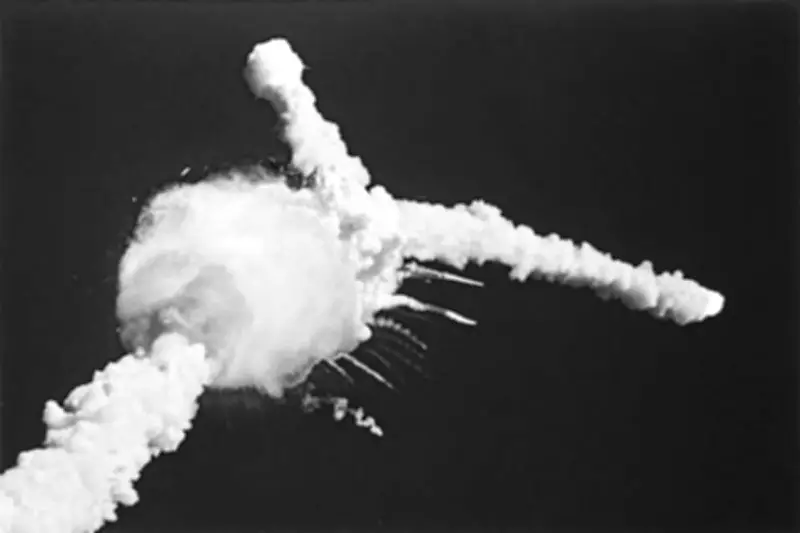
The Space Shuttle Challenger disaster on January 28, 1986, stands as one of the most tragic events in the history of space exploration. Just seventy-three seconds after liftoff, the Challenger broke apart, resulting in the loss of all seven crew members on board, including Christa McAuliffe, a schoolteacher who was set to become the first civilian in space.
Cause of the Tragedy
The catastrophe was traced back to a faulty O-ring seal in the right solid rocket booster. The O-ring failed to properly seal due to the unusually cold temperatures on the morning of the launch, allowing hot gases to escape and ignite the external fuel tank. This technical failure led to the structural breakup of the shuttle.
Impact on NASA and Space Missions
The disaster sent shockwaves across the globe and brought NASA's space shuttle program to a halt for more than two years. It prompted extensive investigations, most notably by the Rogers Commission, which criticized NASA's safety culture and decision-making processes. The commission found that NASA managers were aware of the O-ring issues but proceeded with the launch against the recommendations of engineers.

Lessons Learned
The Challenger disaster underscored the inherent risks of space travel and the critical importance of rigorous safety protocols. It led to significant changes in NASA's organizational structure, including the establishment of the Office of Safety, Reliability, and Quality Assurance. The tragedy serves as a somber reminder that even small technical flaws can have catastrophic consequences when not properly addressed.
Legacy
Today, the Challenger disaster is remembered as a pivotal moment that reshaped space exploration. It reinforced the need for meticulous scrutiny, transparent communication, and a culture that prioritizes safety over schedule pressures. The crew's sacrifice continues to inspire improvements in aerospace engineering and mission planning, ensuring that their legacy endures in every subsequent space endeavor.