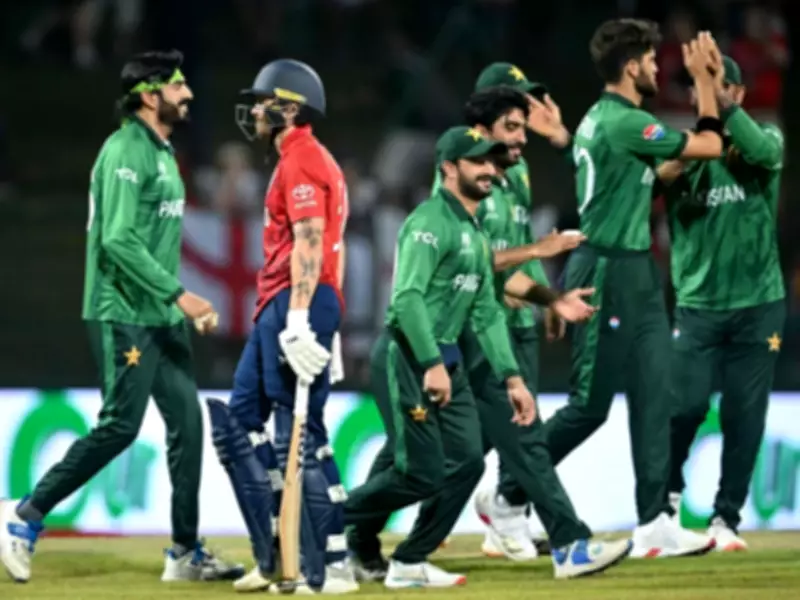
Pakistan Cricket's T20 Evolution Lag Criticized by Experts
Cricket analysts and former players have voiced significant concerns over Pakistan's apparent lack of evolution in the T20 format, pointing to a growing gap between the national team and its international counterparts. This criticism comes amid recent performances that have exposed strategic shortcomings and a failure to adapt to modern cricketing trends.
Outdated Strategies and Tactical Deficiencies
Experts argue that Pakistan's approach to T20 cricket remains rooted in traditional methods, with an over-reliance on individual brilliance rather than cohesive team strategies. The team's batting order often lacks flexibility, and power-hitting capabilities are inconsistent compared to top-tier nations like England, Australia, and India. Additionally, fielding standards and fitness levels have been highlighted as areas where Pakistan lags behind, impacting overall match outcomes in high-pressure situations.
Comparison with Global Teams
In contrast, other cricketing nations have embraced innovation in T20 cricket, utilizing data analytics, specialized coaching, and aggressive gameplay to dominate the format. Teams such as England have revolutionized their approach with fearless batting and dynamic bowling changes, while Australia has integrated sports science to enhance player performance. Pakistan's conservative mindset, according to critics, has hindered its ability to compete effectively in major tournaments like the ICC T20 World Cup.

Calls for Systemic Reforms
To address these issues, there are growing calls for systemic reforms within Pakistan cricket. Suggestions include:
- Investing in youth development programs to nurture talent aligned with T20 demands.
- Enhancing coaching staff with experts in modern cricket strategies.
- Promoting domestic T20 leagues to provide players with competitive exposure.
- Adopting advanced technology for performance analysis and player training.
Stakeholders emphasize that without such changes, Pakistan risks falling further behind in the rapidly evolving landscape of international cricket.
Impact on Future Prospects
The lack of evolution in T20 cricket could have long-term implications for Pakistan's standing in the sport. As the format gains popularity and commercial value, failure to adapt may affect team rankings, sponsorship opportunities, and fan engagement. Experts urge the Pakistan Cricket Board (PCB) to prioritize innovation and strategic planning to ensure the national team remains competitive on the global stage.
In summary, while Pakistan has produced talented cricketers, the need for a more progressive approach in T20 cricket is evident. Embracing change and learning from successful international models could be key to revitalizing the team's performance and restoring its reputation in the shortest format of the game.